
Health
Symptoms And Two Type Of Diabetes That Can Appear in Your Feet – What to Watch For

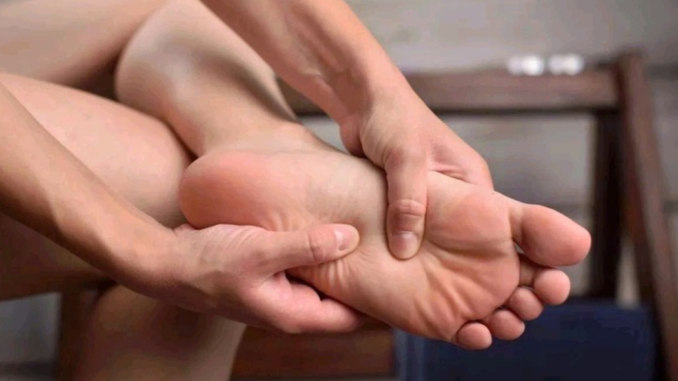
Type 2 diabetes is a chronic condition that affects millions of people worldwide.While symptoms can appear in various parts of the body, the feet often provide some of the earliest warning signs.
Because high blood sugar can damage nerves and blood vessels, changes in your feet may indicate the onset or worsening of diabetes.
Being aware of these signs can help you seek medical attention early and prevent severe complications.
1. Numbness or Tingling
One of the most common foot-related symptoms of type 2 diabetes is numbness, tingling, or a “pins and needles” sensation.
This happens due to diabetic neuropathy, where prolonged high blood sugar damages the nerves.
If you notice a persistent tingling sensation or reduced feeling in your toes or soles, it’s a signal that your nerves may be affected.
2. Unusual Pain or Burning Sensation
Some people with type 2 diabetes experience sharp, burning, or aching pain in their feet, especially at night.
This discomfort often occurs because of nerve damage caused by consistently high blood sugar levels.
Even mild pain should not be ignored, as it can indicate the early stages of neuropathy.
3. Slow Healing Sores or Infections
Diabetes can reduce blood circulation, especially to the extremities.
As a result, cuts, blisters, or sores on the feet may take much longer to heal.
Persistent wounds or infections that do not improve with standard care are a major red flag and should be addressed promptly to avoid severe complications, including ulcers or gangrene.
4. Changes in Skin or Toenail Appearance
High blood sugar can also affect the skin and nails of your feet.
Dry, cracked skin, discoloration, or fungal infections in toenails are common in diabetics.
Thickened or yellowed nails, along with persistent itching or peeling, may indicate poor circulation or early diabetic complications.
In conclusion, the feet can reveal early signs of type 2 diabetes before other symptoms become obvious.
Numbness, unusual pain, slow-healing sores, and changes in skin or nails should never be ignored.
Paying attention to your feet, maintaining proper hygiene, and seeking timely medical care can prevent complications and protect your overall health.
-

 Breaking News7 months ago
BREAKING NEWS: Labour Congress Call For Review Of Minimum Wage, Propose N150,000 Pay For Lagos Workers
-

 Entertainment7 months ago
Burna Boy Used To Squat In My House – Cubana Chief Priest
-

 Breaking News7 months ago
ALLEGED BLASPHEMY: Angry Youths Kill Female Food Seller In Niger State
-

 Entertainment7 months ago
BBNaija S10: I Was Prevented From Returning To Show Despite Being Medically Fit – Sabrina
-

 Entertainment7 months ago
Popular Nigerian Comedian, Josh2Funny And Wife, Bina, Welcome Third Son
-
 Entertainment7 months ago
[VIDEO] Ibom Air Incident: Comfort Emmanson Opens Up on Traumatic Experience
-

 Breaking News7 months ago
BREAKING: CAC Extends New Fee Regime To October 1
-

 Entertainment7 months ago
Media Personality Toke Makinwa Make Confession On Fearful Pregnancy Journey, Shares Fresh Maternity Shoot
-

 Breaking News7 months ago
BREAKING: 1 Israeli Soldier Dead, 9 Injured, 4 Missing
-

 Breaking News7 months ago
Bukuyum: Air Operations Force Bandits To Release 70 Kidnapped Victims In Zamfara
-

 Politics7 months ago
Soludo Mocks Obi, Declares ADC and LP “Dead” After Anambra By-elections
-

 Breaking News7 months ago
BREAKING: Hamas Captures Israeli Soldiers in Gaza