
Breaking News
New “Highly Mutated” COVID-19 Variant ‘Cicada’ Reportedly Spreading Rapidly Across Over 23 Countries

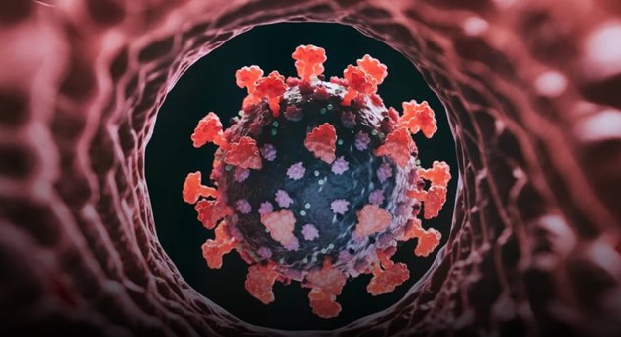
A newly identified COVID-19 variant, BA.3.2 nicknamed “Cicada” is drawing growing attention from global health experts over concerns that its mutations could reduce the effectiveness of current vaccines.
The variant is a descendant of the BA.3 Omicron lineage, which had largely faded from circulation for years before reappearing, inspiring its nickname linked to long dormancy periods. Researchers say BA.3.2 carries notable genetic changes compared to more recent strains such as JN.1 and LP.8.1, which were used in developing the 2025–2026 COVID-19 vaccines.Full, details. .
Although studies are still ongoing, early findings suggest the variant may spread more easily than earlier Omicron strains. However, experts, including Dr. Marc J. Kahn, say its full ability to evade immune protection is not yet fully understood.
The variant was first detected in South Africa in November 2024 and has since spread to multiple regions. According to the U.S. Centers for Disease Control and Prevention (CDC), it was first identified in the United States last June in a traveler, with the first confirmed clinical case recorded in January.
While not yet dominant in the U.S., the strain is gradually increasing. It currently accounts for about 0.55% of cases in the U.S. and up to 30% in parts of Europe, based on surveillance data.
Symptoms linked to the Cicada variant remain similar to earlier strains, including fever, cough, sore throat, fatigue, headaches, and loss of taste or smell, with sore throat reported most frequently.
Health experts, including Dr. Robert H. Hopkins Jr.director of the National Foundation for Infectious Diseases,says there is no evidence the variant causes more severe illness. Existing vaccines are still expected to protect against severe disease, hospitalization, and d+ath, even if protection against infection may be reduced.
-

 Breaking News7 months ago
BREAKING NEWS: Labour Congress Call For Review Of Minimum Wage, Propose N150,000 Pay For Lagos Workers
-

 Breaking News7 months ago
ALLEGED BLASPHEMY: Angry Youths Kill Female Food Seller In Niger State
-

 Entertainment8 months ago
Burna Boy Used To Squat In My House – Cubana Chief Priest
-

 Entertainment8 months ago
BBNaija S10: I Was Prevented From Returning To Show Despite Being Medically Fit – Sabrina
-

 Entertainment8 months ago
Popular Nigerian Comedian, Josh2Funny And Wife, Bina, Welcome Third Son
-
 Entertainment8 months ago
[VIDEO] Ibom Air Incident: Comfort Emmanson Opens Up on Traumatic Experience
-

 Breaking News7 months ago
BREAKING: CAC Extends New Fee Regime To October 1
-

 Entertainment8 months ago
Media Personality Toke Makinwa Make Confession On Fearful Pregnancy Journey, Shares Fresh Maternity Shoot
-

 Politics8 months ago
Soludo Mocks Obi, Declares ADC and LP “Dead” After Anambra By-elections
-

 Breaking News7 months ago
BREAKING: 1 Israeli Soldier Dead, 9 Injured, 4 Missing
-

 Breaking News7 months ago
Bukuyum: Air Operations Force Bandits To Release 70 Kidnapped Victims In Zamfara
-

 Breaking News7 months ago
BREAKING: Hamas Captures Israeli Soldiers in Gaza