
Breaking News
Nigerians Smile As FG Reduces Import Tariffs On Cars, Palm Oil, And Sugar Under New 2026 Fiscal Policy Measures

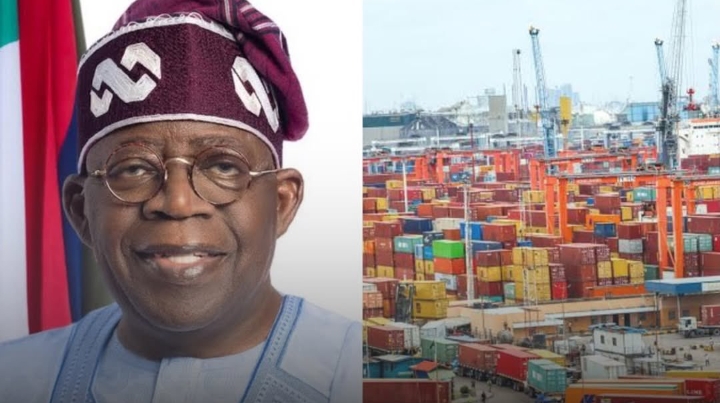
The federal government has approved the implementation of its 2026 fiscal policy measures, introducing wide ranging tariff cuts aimed at boosting key sectors of the economy.
In a circular dated April 1, 2026 and signed by Wale Edun, minister of finance and coordinating minister of the economy, the government said the new policy replaces the 2023 framework.
Central to the reforms is a national list of 127 tariff lines with reduced import duties designed to stimulate growth. Under the new regime, the import adjustment tax on crude palm oil is set at an effective rate of 28.75 percent, lower than previous rates.
Tariffs on fully built passenger vehicles, including four wheel drives and station wagons, have also dropped to 40 percent from 70 percent under the 2015 policy.
Importers who opened Form M before April 1 have been granted a 90 day grace period to clear goods at the old rates. Meanwhile, a new excise duty regime and green tax surcharge will take effect from July 1, 2026.
Several essential goods saw notable reductions. Rice imported in bulk now attracts a 47.5 percent duty, down from 70 percent, while broken rice is pegged at 30 percent. Raw sugar tariffs range between 55 and 57.5 percent, also reduced from 70 percent.
Refined salt is now 55 percent, while crude palm oil stands at 28.75 percent. Industrial inputs and construction materials also recorded cuts.
Tariffs on ceramic tiles now range between 35 and 46.25 percent, while steel products such as zinc coated sheets, rods and hot rolled bars are mostly set at 35 percent.
Cold rolled steel with low carbon content is pegged at 15 percent. In a push to support manufacturing and infrastructure, duties on agricultural and industrial machinery, cargo ships, railway locomotives and breathing equipment have been reduced to zero.
Vehicles below 2000cc, mass transit buses, electric vehicles and locally manufactured vehicle components are excluded from the green tax surcharge, signaling a shift toward cleaner transport and local production. Continue Your, Reading. .
-
 Breaking News8 months ago
BREAKING NEWS: Labour Congress Call For Review Of Minimum Wage, Propose N150,000 Pay For Lagos Workers
-

 Breaking News7 months ago
ALLEGED BLASPHEMY: Angry Youths Kill Female Food Seller In Niger State
-

 Entertainment8 months ago
Burna Boy Used To Squat In My House – Cubana Chief Priest
-

 Entertainment8 months ago
BBNaija S10: I Was Prevented From Returning To Show Despite Being Medically Fit – Sabrina
-

 Entertainment8 months ago
Popular Nigerian Comedian, Josh2Funny And Wife, Bina, Welcome Third Son
-
 Entertainment8 months ago
[VIDEO] Ibom Air Incident: Comfort Emmanson Opens Up on Traumatic Experience
-

 Breaking News7 months ago
BREAKING: CAC Extends New Fee Regime To October 1
-

 Entertainment8 months ago
Media Personality Toke Makinwa Make Confession On Fearful Pregnancy Journey, Shares Fresh Maternity Shoot
-
 Politics8 months ago
Soludo Mocks Obi, Declares ADC and LP “Dead” After Anambra By-elections
-

 Breaking News7 months ago
Bukuyum: Air Operations Force Bandits To Release 70 Kidnapped Victims In Zamfara
-

 Breaking News7 months ago
BREAKING: 1 Israeli Soldier Dead, 9 Injured, 4 Missing
-

 Breaking News7 months ago
BREAKING: Hamas Captures Israeli Soldiers in Gaza