
Health
15 Vitamin A-Rich Nigerian Foods You Should Know


Vitamin A is a fat-soluble micronutrient. It is found naturally in foods and can also be obtained through supplements.
Your vision, immune system, reproduction, growth, and development rely on it. It also aids in the proper functioning organs such as the heart and lungs.
Furthermore, it aids in the maintenance of healthy teeth, skeletal and soft tissue, mucus membranes, and skin.
Vitamin A deficiency is a significant health dilemma in developing countries. In Nigeria, it is recognized as a major public health problem, particularly in pregnant women and children.
The recommended dietary allowance (RDA) for vitamin A varies based on age and gender. Here are the current recommendations from the National Institutes of Health (NIH):
Infants (0-6 months): 400 mcg/day
Infants (7-12 months): 500 mcg/day
Children (1-3 years): 300 mcg/day
Children (4-8 years): 400 mcg/day
Children (9-13 years): 600 mcg/day
Adolescents (14-18 years): 900 mcg/day for males, 700 mcg/day for females
Adults (19 years and older): 900 mcg/day for males, 700 mcg/day for females
Pregnant women: 770 mcg/day
Breastfeeding women: 1,300 mcg/day.
So, if you are a Nigerian and looking for how to boost your vitamin A levels naturally, this article will detail some Nigerian foods rich in vitamin A that you can try.
Here are the best foods in Nigeria rich in vitamin A that you can get at the local market.
1. Carrots
Carrots Nigerian Foods That Are Good For The Eyes
Carrots are among the most popular vegetables sold on the streets and in the local markets.
It is rich in vitamin A; one serving provides 184% of your daily value of vitamin A. This makes it one of the best sources of vitamin A in Nigeria.
In addition to vitamin A, carrot contains a good amount of potassium, antioxidants, and other essential nutrients.
They are one of the best Nigerian foods that are good for the eyes.
2. Sweet Potatoes
Sweet Potatoes Soluble fiber rich foods in Nigeria
This is a relatively common root tuber across the country. It is rich in vitamin A in the form of beta-carotene. It is also a good source of vitamin B6, vitamin C, and potassium.
It is high in fiber content, low in calories, and has a low glycemic index making it perfect for managing blood sugar levels.
To get the best out of the sweet potato, it is best to bake it with its skin on or roast it.
However, it can also be combined with beans or plantains to make a delicious porridge meal.
3. Palm Oil
Red Palm Oil Nigerian foods rich in vitamin A
This is a really popular component of Nigerian dishes.
Palm oil or red oil is used in making a lot of soups like Egusi soup and vegetable soup. It is used in porridges, Moi moi, and other dishes.
Shockingly but true, red palm oil contains 300 times more retinol (provitamin A) than tomatoes, 15 times more than carrots, and 44 times more than leafy vegetables.
4. Ugu (Fluted Pumpkin Leaves)
Health Benefits of Vegetable Soup (Ugu)
Fluted pumpkin leaves, popularly known as ugu in Nigeria, is a dark green leafy vegetable that is used for cooking soups, stews, and many other delicacies.
Ugu leaves are very rich in vitamin A and contain about 7% of the DV. The leaves are used to prepare vegetable soup in Nigeria.
5. Pawpaw
Health Benefits of Pawpaw Seeds
Pawpaw, also known as papaya, is a fruit that is commonly found in Nigeria and many other tropical countries.
Pawpaw is a rich source of vitamins and minerals, including vitamin A, vitamin C, and potassium.
In fact, pawpaw is known to be one of the richest sources of vitamin A.
In fact, 1 cup (165 g) of pawpaw contains 78 mcg of vitamin A or 9% of the DV.
6. Spinach
Side effects of spinach
Spinach is a nutrient-dense vegetable that is rich in many vitamins and minerals, including vitamin A.
It is used in Nigeria to prepare a variety of soups and stews.
One cup of cooked spinach contains approximately 943 mcg of vitamin A, which is equivalent to 105% of the recommended daily intake for adults.
7. Red Pepper
Health Benefits of Cayenne Pepper and Turmeric
Red pepper, also known as “Tatashe” in Nigeria, is a common ingredient used in Nigerian cuisine.
It is a type of sweet pepper that is larger and less spicy than chili peppers.
It is rich in nutrients, including vitamin A, which is essential for maintaining healthy vision, immune system function, and skin health.
Red pepper is a great source of vitamin A, with just one pepper containing 257 mcg of vitamin A or 29% of the DV.
8. Eggs
Eggs
Eggs are widely consumed in Nigeria.
One large boiled egg typically contains around 75-80 micrograms of vitamin A, which is approximately 8-9% of the recommended daily intake for adults.
However, some eggs from chickens that have been raised on a diet high in vitamin A, such as those that are fed with fortified feed or allowed to graze on green grass, may contain higher levels of vitamin A.
9. Green Beans
Health benefits of green beans
Green beans, also known as string beans, are a nutritious food that can be found in Nigeria.
Green beans also have around 15% of your recommended daily intake of vitamin A, as 100 grams of green beans contain 108 mcg of vitamin A.
10. Liver
Health Benefits of Liver Meat
Animal liver are a great source of vitamin A because, like humans, animals store vitamin A in their livers.
These are not only nutritious and make delicious dishes whether you want to eat them barbecued or add them to a sauce or soup.
100 grams of beef liver contains 7,730 mcg of retinol or 859% of the DV of vitamin A.
11. Mangoes
Health Benefits of Mango Peels
This is another rich source of vitamin A found in abundance throughout the country. 3/4 cup of mango provides 8% of your daily Vitamin A, which provides excellent eye benefits.
It comes in various species, but each one is delicious. It doesn’t matter what specie it is.
Mangoes can be eaten raw, blended alone to make delicious mango smoothies and juices, or combined with other fruits if you like, and they can also be diced with other fruits as part of a fruit salad.
12. Plantains
Health Benefits Of Fried Plantains
Plantains are a staple food in Nigerian cuisine and are used in various ways.
They are often cooked and eaten as a side dish or used as an ingredient in stews and soups.
They are also sometimes mashed or fried to make snacks like plantain chips or are commonly used to make a dish called “dodo,” which is fried plantain slices.
Plantains are a good source of vitamin A, with 1 cup of plantains containing 63 mcg of vitamin A or 7% of the DV.
13. Snails
Health Benefits of Snail Meat
Snail meat is a popular meat in Nigeria. You can find so many joints and restaurants where snail meat is part of the menu.
This just shows how much people enjoy eating snail meat.
Back to topic, snail meat is also a good source of vitamin A.
14. Agbalumo (African Star Apple)
Health Benefits of Agbalumo
Agbalumo, or African Star Apple, is a fruit that is widely eaten among Nigerians.
It is known not just for its juicy sweetness and sour taste, but also for its many health benefits.
This tropical fruit, native to West Africa, ripens during the dry harmattan season, and is often seen from December to April every year.
Agbalumo is very rich source in vitamin A, because it contains beta-carotene.
15. Ewedu
Health Benefits of ewedu soup
Health Benefits of ewedu soup
Ewedu soup is a Nigerian delicacy that is made mainly from jute leaves.
It is a highly nutritious meal and can even help with weight loss.
Jute leaves are high in vitamin A, so ewedu soup is a great food to eat when you want to increase your vitamin A intake.
Please note:
Unlike water-soluble vitamins like vitamin C, vitamin A is relatively stable when heated, just don’t cook the food too long. The vitamin is essential for proper growth and development and for repairing and maintaining body tissue.
It is, however, essential to be cautious about the intake of vitamin A, as a deficiency of the vitamin can also be as deadly as an overdose.
We are advised to eat a balanced diet, which means paying attention to other vital nutrients as well; this will ensure the body is working correctly, and it improves the quality of life.
Conclusion
There are many Nigerian foods that are rich in vitamin A and can help to improve overall health and prevent vitamin A deficiency. Eating a variety of these foods can help to ensure that you are getting enough vitamin A in your diet, and can also provide a host of other important nutrients and antioxidants that support overall health.
-

 BREAKING NEWS2 months ago
Ondo Education Ministry Fixes Cut-Off Marks for Public Secondary School Admission For 2026/2027 Academic Session
-

 BREAKING NEWS2 months ago
JUST-IN: 28-Year-Old Nigerian Man Deported From Ireland After Conviction for T£rror Offences and Mass M¥rder Threats in UK
-

 BREAKING NEWS3 months ago
Oyo Police Bust Alleged Railway Vandalism Syndicate, Recover Stolen Rail Tracks Worth ₦200 Million
-

 BREAKING NEWS2 months ago
How Woman Arrested for Br¥talising 13-Year-Old Domestic Worker in Imo state
-

 BREAKING NEWS2 months ago
EXCLUSIVE: NG Exceeds 2024 Borrowing Target by ₦4.79tn as Debt Hits ₦12.62tn
-

 BREAKING NEWS2 months ago
Tinubu’s Reforms Push Nasarawa Allocation From ₦4.5bn to ₦16bn — Sule
-

 BREAKING NEWS3 months ago
Gauteng Police and Brand Protectors Seize Suspected Counterfeit Goods Worth R371,700 After Inspecting 13 Shops During Marabastad Crackdown
-
 Health1 month ago
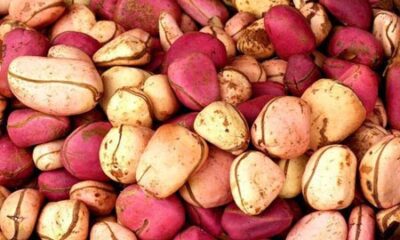
Health Benefits of Kola Nut and What to Know Before Consuming It