
Health
Greater Weight Loss on GLP-1 Drugs Linked to Better Health Outcomes

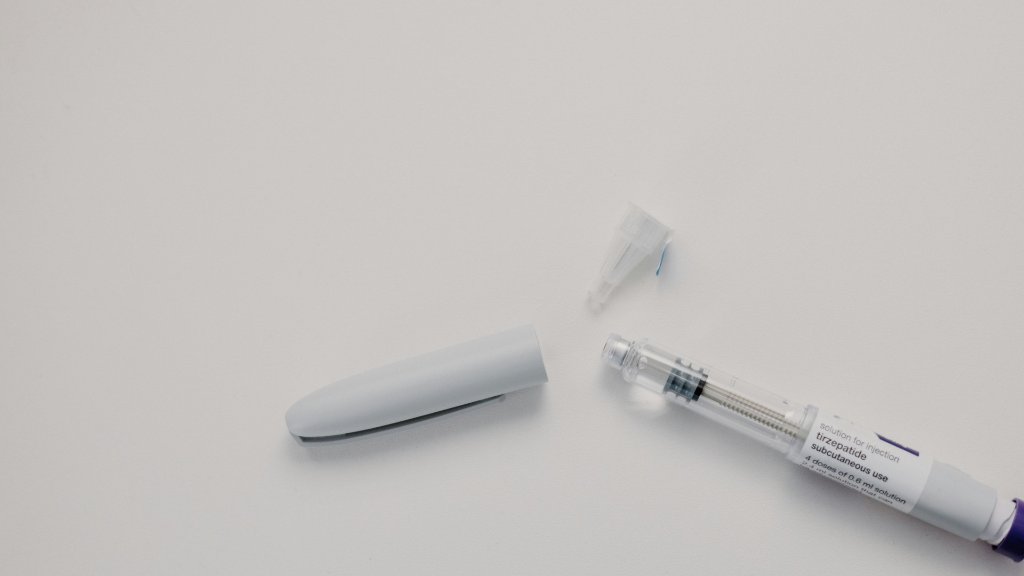
People who lost more weight while taking popular obesity medicines were less likely to develop several serious health problems, according to a large study of routine medical records. The findings suggest that the amount of weight lost may matter for health beyond the number on the scale.
The research involved nearly 90,000 people in the United States who began treatment with medicines such as Wegovy, Ozempic, Mounjaro or Saxenda. The results were presented at the European Congress on Obesity in 2026 and were led by researchers from the University of Liverpool.
These medicines act on natural signals that help control appetite and blood sugar. They can make people feel full sooner and help them eat less, although the amount of weight lost varies widely.
Researchers used medical records and insurance information for patients who started treatment between January 2021 and June 2024. Participants were about 58 years old on average, and around six in ten had type 2 diabetes.
The team measured changes in body mass index, or BMI, during the first year of treatment. BMI compares a person’s weight with their height and is often used to estimate whether weight may be affecting health.
About 16% of participants reduced their BMI by at least 15%. Compared with those whose BMI fell by less than 5%, this group had a 37% lower risk of osteoarthritis, a painful condition that affects the joints.
Their risk of chronic kidney disease was 30% lower, while their risk of obstructive sleep apnea was 69% lower. Sleep apnea causes repeated interruptions in breathing during sleep and can leave people exhausted during the day.
The researchers also observed a 32% lower risk of heart failure in the group with the greatest weight loss. However, that result was not statistically clear enough to rule out chance.
People who gained weight after starting treatment generally had worse outcomes. The study reported higher risks of joint disease, kidney disease, sleep apnea and heart failure in this group than among those who lost a small amount of weight.
The results make sense in light of what doctors already know about obesity. Excess weight can put pressure on joints, make breathing during sleep more difficult and increase strain on the heart and kidneys.
Yet keeping weight off can be difficult. Around half of the patients had a break of at least 60 days in their medication use during the first year, highlighting the challenges of maintaining treatment.
This was an observational study, meaning it cannot prove that greater weight loss directly prevented these illnesses. Differences in patients’ health, care and habits may also have influenced the results.
The findings support helping patients achieve lasting, healthy weight changes while monitoring side effects and treatment needs. More research is needed to understand which benefits persist over the long term.
-

 Lifestyle1 day ago
New Weight-Loss Injection Delivers 20% Weight Reduction
-

 Lifestyle12 hours ago
Weight-Loss Drug Access Drops as States End Medicaid Coverage
-

 Health1 day ago
New Sleep Apnea Treatment Improves Breathing for Patients, See More
-

 BREAKING NEWS2 months ago
Ogun Residents Raise Questions Over Yayi’s Campaign Spending
-

 SPORTS1 month ago
Premier League Referees Admit “Error of Judgement” Over Haaland Goal Against Man United
-

 BREAKING NEWS4 months ago
JUST-IN: 28-Year-Old Nigerian Man Deported From Ireland After Conviction for T£rror Offences and Mass M¥rder Threats in UK
-

 BREAKING NEWS4 months ago
Oyo Police Bust Alleged Railway Vandalism Syndicate, Recover Stolen Rail Tracks Worth ₦200 Million
-

 BREAKING NEWS4 months ago
How Woman Arrested for Br¥talising 13-Year-Old Domestic Worker in Imo state