
Lifestyle
Wegovy Linked to Rare Sudden Vision Loss, Study Warns

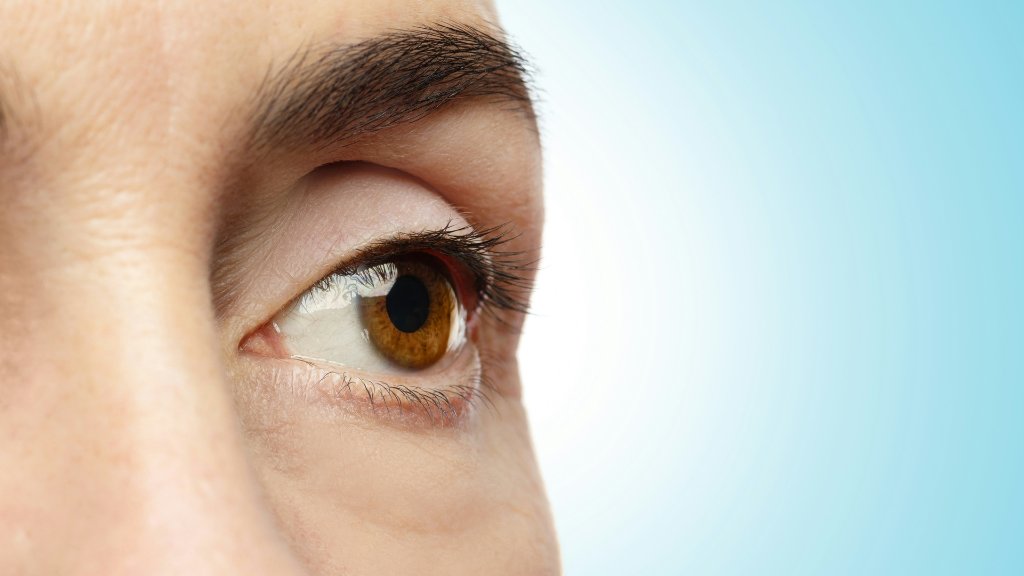
A widely used weight loss medicine may be linked to a rare eye problem that can cause sudden and sometimes permanent vision loss.
Researchers found an unusual pattern of reports involving Wegovy, although the study does not show that the drug caused the damage.
The research, published in the British Journal of Ophthalmology, examined safety reports involving medicines used for weight loss and type 2 diabetes. The findings raise questions about a condition sometimes called an “eye stroke,” but they do not establish how often it occurs among people taking these drugs.
Wegovy contains semaglutide, which helps people feel less hungry and eat less. The same ingredient is found in Ozempic, a medicine mainly used to treat type 2 diabetes, and in the tablet Rybelsus.
The eye condition is known as ischemic optic neuropathy. It happens when the optic nerve, which carries images from the eye to the brain, does not receive enough blood. Vision can deteriorate quickly, and lost sight may not return.
Researchers examined more than 30 million reports submitted to a US drug safety database from 2017 through 2024. More than 31,000 reports involved semaglutide medicines, allowing the team to look for unusual patterns among different products.
They found 28 reports of the eye condition involving Wegovy and 47 involving Ozempic. Wegovy showed the strongest statistical warning signal, even though fewer cases were reported for it than for Ozempic.
The researchers also examined other weight loss and diabetes medicines, including Mounjaro and Zepbound. The pattern differed across drugs and between men and women, but those differences need more careful investigation.
One possible explanation is that changes in blood pressure, dehydration or fluid balance might affect blood flow to the optic nerve in people who are already vulnerable. These ideas remain unproven.
There are major limits to the findings. People and healthcare workers can submit safety reports voluntarily, so the database may contain missing information, repeated attention to particular drugs and incomplete medical histories.
Importantly, the figures are not a measure of a person’s chance of losing vision. A reporting signal that appears many times higher than expected does not mean a patient has that many times the risk.
People with diabetes or obesity can already have eye and blood vessel problems, which makes it difficult to separate the effects of a medicine from existing health risks. Larger studies following patients over time are needed to clarify the connection.
Anyone who develops sudden vision loss should seek emergency medical assessment. Patients concerned about treatment should discuss its benefits and possible risks with their prescribing clinician rather than stopping it on the basis of this study alone.
-

 Lifestyle1 day ago
New Weight-Loss Injection Delivers 20% Weight Reduction
-

 Lifestyle13 hours ago
Weight-Loss Drug Access Drops as States End Medicaid Coverage
-

 Health12 hours ago
Greater Weight Loss on GLP-1 Drugs Linked to Better Health Outcomes
-

 Health1 day ago
New Sleep Apnea Treatment Improves Breathing for Patients, See More
-

 BREAKING NEWS2 months ago
Ogun Residents Raise Questions Over Yayi’s Campaign Spending
-

 SPORTS1 month ago
Premier League Referees Admit “Error of Judgement” Over Haaland Goal Against Man United
-

 BREAKING NEWS4 months ago
JUST-IN: 28-Year-Old Nigerian Man Deported From Ireland After Conviction for T£rror Offences and Mass M¥rder Threats in UK
-

 BREAKING NEWS4 months ago
Oyo Police Bust Alleged Railway Vandalism Syndicate, Recover Stolen Rail Tracks Worth ₦200 Million