
Health
Why Obesity Affects Men and Women Differently, Scientists Explain

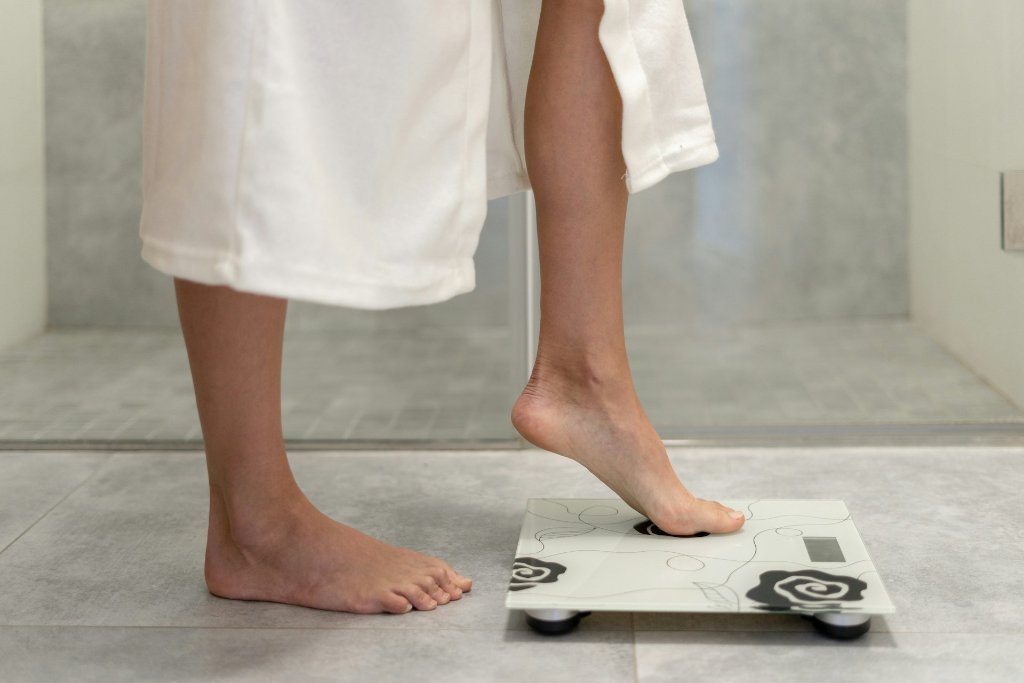
A new study suggests that certain immune cells inside body fat may help explain why obesity affects males and females differently.
The findings could eventually guide treatments that account for biological differences, although the research was carried out in mice.
Scientists at the University of California, Riverside discovered that cells previously linked mainly to allergies and asthma have several different roles in fat tissue.
Some appear to support a healthier environment, while others may contribute to inflammation.
The cells are called eosinophils, a type of white blood cell. Researchers have long known they can be found in body fat, but their functions there have remained difficult to understand.
The study, published in PNAS Nexus, used a method that examines the activity of genes inside individual cells. This allowed researchers to separate eosinophils into six groups with different patterns of activity.
The results showed that not all eosinophils behave alike. Their effects appeared to depend on which group they belonged to and how they communicated with other immune cells.
In female mice, researchers identified a group of eosinophils with signs of a protective role. These cells communicated more effectively with another immune cell type called macrophages, which helps manage inflammation and tissue health.
Male mice fed a high-fat diet showed more eosinophils with gene patterns associated with inflammation. This suggested that the immune response inside fat tissue could develop differently in the two sexes.
The team also investigated a protein called RELM alpha, which is produced by macrophages. In female mice, this protein appeared to help maintain useful communication between macrophages and eosinophils.
That communication may matter because obesity is not only about storing extra energy. Fat tissue is biologically active and contains immune cells that can influence inflammation, blood sugar control and other aspects of health.
Long-lasting inflammation in fat tissue is associated with metabolic problems, including reduced sensitivity to insulin. Understanding which cells contribute to this process could help researchers develop more targeted approaches.
However, the findings do not show that women are protected from obesity or that men always experience worse outcomes. Human health is shaped by many factors, and mouse biology does not perfectly match human biology.
The scientists are now working on laboratory-grown models of human fat tissue to study whether similar immune-cell interactions occur in people. These models may help test ideas before moving towards clinical studies.
The research offers a more detailed picture of how fat tissue responds to excess energy. It also highlights why treatments aimed at the immune system may need careful testing in both sexes before doctors can know whether they are safe or effective.
-

 Lifestyle1 day ago
New Weight-Loss Injection Delivers 20% Weight Reduction
-

 Lifestyle13 hours ago
Weight-Loss Drug Access Drops as States End Medicaid Coverage
-

 Health12 hours ago
Greater Weight Loss on GLP-1 Drugs Linked to Better Health Outcomes
-

 Health1 day ago
New Sleep Apnea Treatment Improves Breathing for Patients, See More
-

 BREAKING NEWS2 months ago
Ogun Residents Raise Questions Over Yayi’s Campaign Spending
-

 SPORTS1 month ago
Premier League Referees Admit “Error of Judgement” Over Haaland Goal Against Man United
-

 BREAKING NEWS4 months ago
JUST-IN: 28-Year-Old Nigerian Man Deported From Ireland After Conviction for T£rror Offences and Mass M¥rder Threats in UK
-

 BREAKING NEWS4 months ago
Oyo Police Bust Alleged Railway Vandalism Syndicate, Recover Stolen Rail Tracks Worth ₦200 Million