
Health
A Lady’s Guide to Menstrual Hygiene: Simple Tips for Staying Healthy and Comfortable

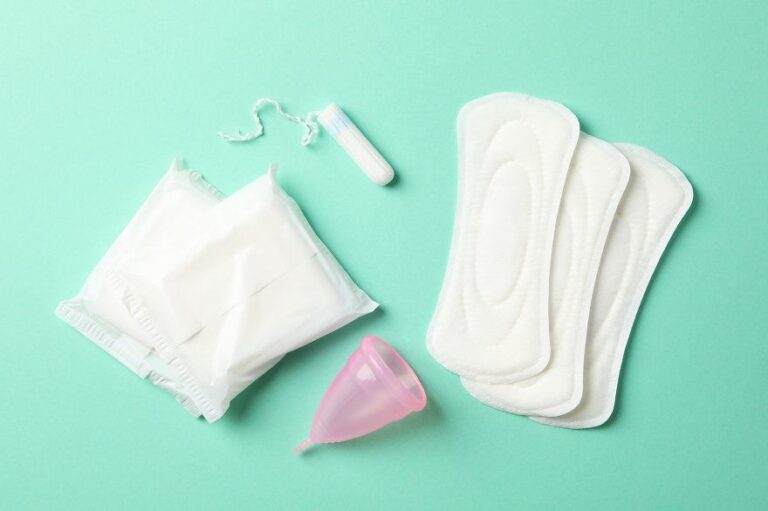
Menstrual hygiene is an important part of women’s health and everyday wellbeing.
During menstruation, proper care can help reduce discomfort, prevent irritation and allow women and girls to go about their normal activities with greater confidence.
Whether you are experiencing your first period or have been managing menstruation for years, simple hygiene practices can make the experience more comfortable.
1. Change sanitary products regularly
Pads, tampons, menstrual cups and period underwear should be used according to their manufacturers’ instructions and changed or emptied regularly.
Keeping a menstrual product in place for too long can contribute to discomfort, odour and irritation.
Tampons should not be left in for longer than the recommended time because prolonged use can increase the risk of serious complications.
2. Keep the external genital area clean
During your period, wash the vulva, which is the external genital area, gently with clean water. If you use soap, choose a mild, unscented product.
Avoid douching or using strongly scented products inside the vagina. The vagina naturally cleans itself, and harsh products can cause irritation or disturb its normal environment.
3. Wear clean, comfortable underwear
Choose clean underwear made from breathable materials and avoid clothing that is excessively tight or uncomfortable.
Changing underwear regularly, particularly after heavy sweating, can help you stay fresh and comfortable during your period.
4. Dispose of menstrual products properly
Used pads, tampons and other disposable menstrual products should be wrapped and placed in an appropriate waste bin.
Do not flush sanitary pads, tampons or wipes down the toilet, as they can cause plumbing blockages.
5. Eat a balanced diet and stay hydrated
Drinking enough water and eating a varied diet can support your general wellbeing during menstruation.
Foods containing iron, such as beans, leafy green vegetables, eggs, meat and some fortified foods, can be useful as part of a balanced diet, particularly for people who experience heavy menstrual bleeding.
6. Manage menstrual cramps
Period cramps are common and can sometimes be uncomfortable. A warm bath, heating pad or gentle physical activity such as walking may provide relief for some people.
If you use pain medication, follow the instructions on the package or seek advice from a healthcare professional, especially if you have other health conditions or take other medicines.
7. Track your menstrual cycle
Keeping a record of your periods can help you understand your usual cycle and identify changes.
You can use a traditional calendar or a period-tracking application to record when your period begins and ends, as well as changes in flow or symptoms.
If your periods suddenly become much heavier, significantly more painful or unusually irregular, consider speaking with a healthcare professional.
8. Pay attention to unusual symptoms
Menstruation can involve cramps, tiredness and changes in mood, but certain symptoms should not be ignored.
Seek medical advice if you experience very heavy bleeding, severe or worsening pain, fainting, unusual vaginal discharge, persistent unpleasant odour, fever, or other symptoms that concern you.
9. Talk openly about menstrual health
Menstruation is a normal biological process and should not be treated as something shameful.
Parents, schools and communities can help young girls by providing accurate information about periods, menstrual products and personal hygiene.
Open conversations can also help girls and women feel more comfortable seeking medical attention when something does not seem normal.
Final thoughts
Good menstrual hygiene does not require complicated routines. Regularly changing menstrual products, keeping the external genital area clean, wearing comfortable underwear and paying attention to unusual symptoms can help women manage their periods safely and comfortably.
Important: Menstrual hygiene advice should complement, not replace, professional medical care when symptoms are severe, persistent or unusual.
-

 BREAKING NEWS2 months ago
JUST-IN: 28-Year-Old Nigerian Man Deported From Ireland After Conviction for T£rror Offences and Mass M¥rder Threats in UK
-

 BREAKING NEWS3 months ago
Oyo Police Bust Alleged Railway Vandalism Syndicate, Recover Stolen Rail Tracks Worth ₦200 Million
-

 BREAKING NEWS2 months ago
How Woman Arrested for Br¥talising 13-Year-Old Domestic Worker in Imo state
-

 BREAKING NEWS2 months ago
Ondo Education Ministry Fixes Cut-Off Marks for Public Secondary School Admission For 2026/2027 Academic Session
-

 BREAKING NEWS2 months ago
EXCLUSIVE: NG Exceeds 2024 Borrowing Target by ₦4.79tn as Debt Hits ₦12.62tn
-

 BREAKING NEWS2 months ago
Tinubu’s Reforms Push Nasarawa Allocation From ₦4.5bn to ₦16bn — Sule
-

 BREAKING NEWS3 months ago
Gauteng Police and Brand Protectors Seize Suspected Counterfeit Goods Worth R371,700 After Inspecting 13 Shops During Marabastad Crackdown
-

 Health2 months ago
Health Benefits of Kola Nut and What to Know Before Consuming It