
Lifestyle
Short Daily Exercise May Boost Brain Health in Older Adults

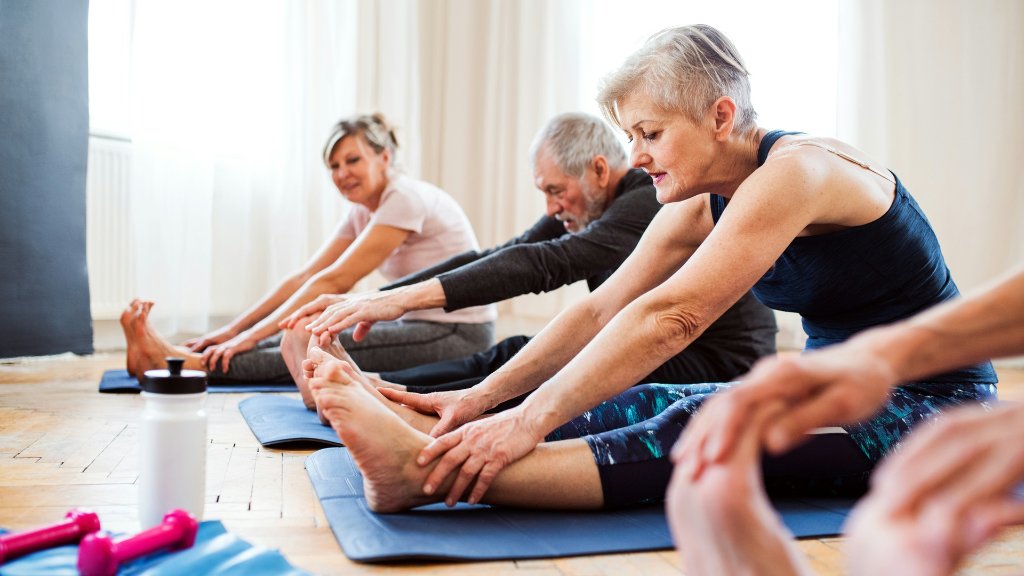
A few minutes of movement spread throughout the day may be a practical way to support brain health as people grow older. Researchers are increasingly interested in whether short periods of activity can offer benefits even when someone cannot manage a long workout.
The brain changes naturally with age. Some people notice that remembering names, staying focused or learning new things takes more effort. Regular physical activity is one of the habits linked with healthier aging.
Exercise increases blood flow and helps the heart and blood vessels work well. It may also support sleep, mood and the body’s ability to control blood sugar, all of which can influence brain health.
Importantly, being active does not always require a gym membership or a long exercise session. Brisk walking, climbing stairs, dancing or doing a few minutes of gentle movement at home can help break up long periods of sitting.
Scientists have studied how movement relates to memory and thinking skills in older adults. Some studies suggest that people who spend more time being active tend to perform better on certain tests of brain function.
Other research has examined changes shortly after a bout of exercise. These findings suggest that even a single session may temporarily influence attention or thinking, although the size and duration of any benefit vary.
The evidence does not show that a particular short workout can prevent dementia. Many studies observe people’s existing habits, which means other factors, including general health, sleep and education, may also help explain the results.
Still, small sessions can make exercise easier to fit into everyday life. Someone might take a short walk after breakfast, move around during television breaks and enjoy another walk in the afternoon.
The intensity should match a person’s fitness and health. A pace that makes breathing a little faster while still allowing conversation is a reasonable starting point for many adults.
Strength and balance activities are also valuable as people age. They help maintain independence and reduce the risk of falls, making it easier to stay active over the long term.
Health guidance generally encourages older adults to build toward regular weekly activity, but doing some movement is better than doing none. People with mobility problems or medical conditions can ask a healthcare professional about suitable options.
The most useful message is simple: regular movement matters, and short sessions can be a manageable place to begin. Consistency, rather than an exhausting workout, may be the key to making activity part of daily life.
-

 Lifestyle1 day ago
New Weight-Loss Injection Delivers 20% Weight Reduction
-

 Lifestyle13 hours ago
Weight-Loss Drug Access Drops as States End Medicaid Coverage
-

 Health12 hours ago
Greater Weight Loss on GLP-1 Drugs Linked to Better Health Outcomes
-

 Health1 day ago
New Sleep Apnea Treatment Improves Breathing for Patients, See More
-

 BREAKING NEWS2 months ago
Ogun Residents Raise Questions Over Yayi’s Campaign Spending
-

 SPORTS1 month ago
Premier League Referees Admit “Error of Judgement” Over Haaland Goal Against Man United
-

 BREAKING NEWS4 months ago
JUST-IN: 28-Year-Old Nigerian Man Deported From Ireland After Conviction for T£rror Offences and Mass M¥rder Threats in UK
-

 BREAKING NEWS4 months ago
Oyo Police Bust Alleged Railway Vandalism Syndicate, Recover Stolen Rail Tracks Worth ₦200 Million