
Health
Tips to Manage Bloating: Simple Ways to Reduce Discomfort

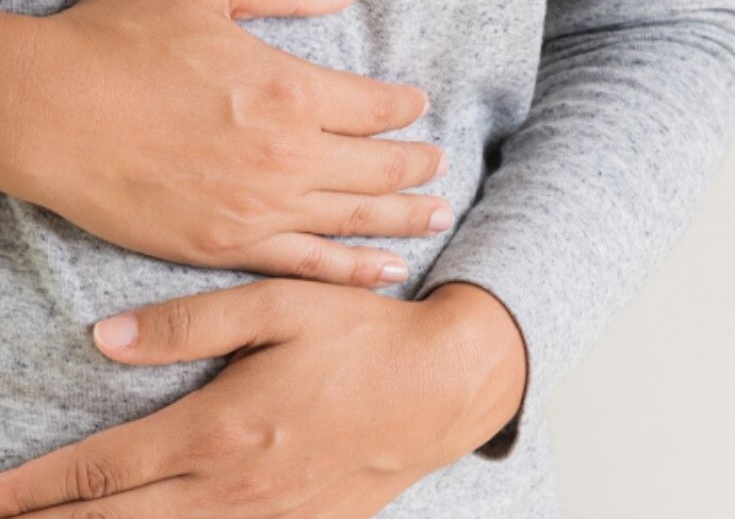
Bloating is a common digestive complaint that can make the stomach feel full, tight or swollen. It may occur after eating certain foods, consuming large meals, swallowing excess air or experiencing constipation.
For many people, bloating is temporary and improves when the underlying trigger is addressed. However, frequent or persistent bloating can sometimes be associated with an underlying digestive problem and should not be ignored.
Here are practical ways to manage occasional bloating.
1. Eat slowly
Eating too quickly can cause you to swallow more air, which may contribute to gas and bloating.
Take your time during meals and chew food thoroughly. Eating without rushing can also make it easier to recognise when you are comfortably full.
2. Pay attention to portion sizes
Very large meals can leave you feeling uncomfortably full and may worsen bloating.
If you regularly experience discomfort after large meals, try eating moderate portions and see whether your symptoms improve.
3. Identify foods that trigger your symptoms
Bloating triggers vary from person to person. Some people notice symptoms after consuming beans, onions, cabbage, dairy products, fizzy drinks or certain high-fibre foods.
Keeping a simple food and symptom diary can help you identify patterns. However, avoid eliminating major food groups from your diet without professional guidance.
4. Drink enough water
Adequate fluid intake supports normal digestion and can help prevent constipation, which is a common contributor to bloating.
Drink water regularly throughout the day rather than relying mainly on sugary or carbonated beverages.
5. Limit fizzy drinks
Carbonated drinks contain gas that can increase the amount of air in the digestive tract. For some people, this can make bloating worse.
If you regularly feel bloated after drinking soft drinks or other carbonated beverages, reducing your intake may help.
6. Stay physically active
Gentle movement can support normal digestion and may help relieve the uncomfortable feeling associated with trapped gas.
A short walk after eating, regular exercise or gentle stretching can be useful additions to your daily routine.
7. Increase fibre gradually
Fibre is important for digestive health, but suddenly eating much more fibre than usual can cause additional gas and bloating.
If you are increasing your fibre intake, do it gradually and make sure you drink enough fluids. Foods such as vegetables, fruits, whole grains and legumes can provide useful sources of fibre.
8. Pay attention to constipation
Constipation can cause stool and gas to build up in the digestive tract, resulting in bloating.
Regular physical activity, adequate fluids and gradually increasing dietary fibre can help support regular bowel movements. If constipation is persistent, speak with a healthcare professional.
9. Manage stress
The brain and digestive system are closely connected. Stress can affect how the digestive tract functions and may worsen symptoms such as bloating, abdominal discomfort or changes in bowel habits.
Relaxation techniques, physical activity, adequate sleep and taking regular breaks may help you manage stress.
10. Consider possible food intolerances
Some people experience bloating after
consuming particular foods because of food intolerance or another digestive issue.
For example, lactose intolerance can cause bloating, gas and diarrhoea after consuming dairy products in affected individuals.
If you repeatedly experience symptoms after eating particular foods, speak with a healthcare professional rather than making major dietary changes based only on guesswork.
When should you see a doctor?
Occasional bloating is usually not a cause for concern. However, persistent or severe bloating deserves medical attention.
See a healthcare professional if bloating:
- Happens frequently or does not improve
- Is accompanied by unexplained weight loss
- Causes persistent or severe abdominal pain
- Occurs with repeated vomiting
- Is accompanied by blood in the stool
- Comes with significant changes in bowel habits
- Is associated with loss of appetite or difficulty eating
A doctor can help determine whether the symptoms are related to diet, constipation, food intolerance or another digestive condition.
The bottom line
Bloating can often be influenced by everyday eating and lifestyle habits. Eating slowly, choosing appropriate portions, staying hydrated, exercising regularly and identifying personal food triggers may help reduce occasional discomfort.
However, persistent or unexplained bloating should not simply be treated at home.
Getting the right medical assessment is important when symptoms continue or occur alongside other concerning changes.
-

 BREAKING NEWS2 months ago
JUST-IN: 28-Year-Old Nigerian Man Deported From Ireland After Conviction for T£rror Offences and Mass M¥rder Threats in UK
-

 BREAKING NEWS3 months ago
Oyo Police Bust Alleged Railway Vandalism Syndicate, Recover Stolen Rail Tracks Worth ₦200 Million
-

 BREAKING NEWS2 months ago
How Woman Arrested for Br¥talising 13-Year-Old Domestic Worker in Imo state
-

 BREAKING NEWS2 months ago
Ondo Education Ministry Fixes Cut-Off Marks for Public Secondary School Admission For 2026/2027 Academic Session
-

 BREAKING NEWS2 months ago
EXCLUSIVE: NG Exceeds 2024 Borrowing Target by ₦4.79tn as Debt Hits ₦12.62tn
-

 BREAKING NEWS2 months ago
Tinubu’s Reforms Push Nasarawa Allocation From ₦4.5bn to ₦16bn — Sule
-

 BREAKING NEWS3 months ago
Gauteng Police and Brand Protectors Seize Suspected Counterfeit Goods Worth R371,700 After Inspecting 13 Shops During Marabastad Crackdown
-

 Health2 months ago
Health Benefits of Kola Nut and What to Know Before Consuming It