
BREAKING NEWS
Nigerians Still Pay High Transport Fares Despite Tinubu’s October 1 Target

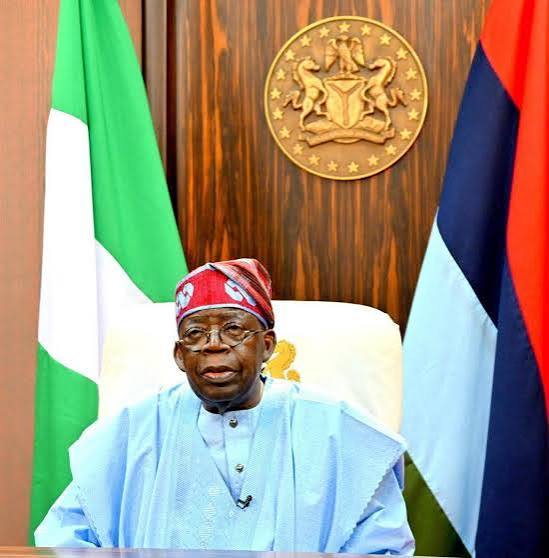
Nigerians in several states continued to pay existing or higher transport fares on October 1 despite President Bola Tinubu’s target for commuters to begin experiencing measurable reductions in transportation costs through the National Affordable CNG Transit Programme.
Findings reported across several states showed that the promised reductions had not yet translated into widespread fare cuts, with commuters in some areas continuing to depend on commercial buses operating with petrol and facing high running costs.
President Tinubu had announced after his August 27 meeting with the 36 state governors that more Nigerians should begin seeing measurable reductions in transport costs from October 1. The plan centres on the deployment of Compressed Natural Gas (CNG) and electric vehicles, alongside vehicle conversion and expanded transport infrastructure.
High Fares Persist
Reports from different parts of the country indicate that the impact of the programme remains uneven.
The PUNCH reported that commuters in several states continued paying the same fares, while some routes recorded increases. Transport operators cited factors including fuel costs, maintenance expenses and inadequate access to CNG infrastructure.
In Jigawa, for example, commuters reportedly continued paying about ₦3,500 for the Dutse-Kano journey, while the fare to Hadejia remained around ₦5,000. However, the state chapter of the National Association of Road Transport Owners said about 100 vehicles had been converted to CNG under the initiative.
Government Expands CNG Programme
The Federal Government says the programme is already producing lower fares on selected routes.
According to Tinubu, CNG and electric transport services in Borno have reduced fares on some routes to between ₦50 and ₦100, compared with ₦300 to ₦600 charged by commercial operators. The President also cited fare reductions in parts of Abuja, Oyo, Adamawa, Enugu and other states.
The Presidential Initiative on CNG and Electric Vehicles has also indicated that **61 buses** are earmarked for commercial operations across selected states and the Federal Capital Territory.
Implementation Challenges
The uneven rollout highlights the infrastructure and implementation challenges facing the programme.
The Guardian reported that shortages of CNG infrastructure and limited vehicle deployment could restrict the immediate reach of the fare-reduction initiative, even as the government expands conversion centres and refuelling stations.
For many commuters, the effectiveness of the programme will ultimately be measured by the fares they pay on ordinary commercial routes rather than by the number of vehicles converted or buses announced for deployment.
-
 BREAKING NEWS2 months ago
Ondo Education Ministry Fixes Cut-Off Marks for Public Secondary School Admission For 2026/2027 Academic Session
-

 BREAKING NEWS2 months ago
JUST-IN: 28-Year-Old Nigerian Man Deported From Ireland After Conviction for T£rror Offences and Mass M¥rder Threats in UK
-

 BREAKING NEWS3 months ago
Oyo Police Bust Alleged Railway Vandalism Syndicate, Recover Stolen Rail Tracks Worth ₦200 Million
-

 BREAKING NEWS2 months ago
How Woman Arrested for Br¥talising 13-Year-Old Domestic Worker in Imo state
-
 BREAKING NEWS2 months ago
EXCLUSIVE: NG Exceeds 2024 Borrowing Target by ₦4.79tn as Debt Hits ₦12.62tn
-
 BREAKING NEWS2 months ago
Tinubu’s Reforms Push Nasarawa Allocation From ₦4.5bn to ₦16bn — Sule
-
 BREAKING NEWS3 months ago
Gauteng Police and Brand Protectors Seize Suspected Counterfeit Goods Worth R371,700 After Inspecting 13 Shops During Marabastad Crackdown
-

 Health1 month ago
Health Benefits of Kola Nut and What to Know Before Consuming It