
Health
How to Manage Excessive Sweating

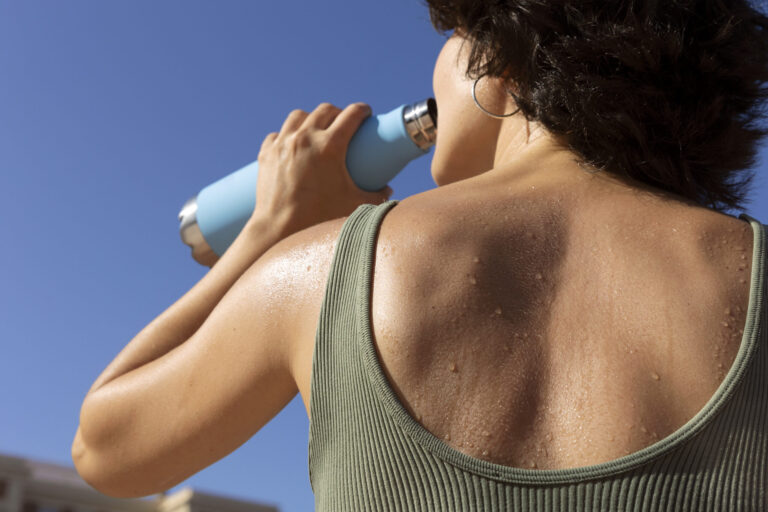
How to Manage Excessive Sweating: Practical Tips That May Help
Sweating is a normal way for the body to regulate its temperature.
However, some people sweat much more than expected, even when they are not exercising or exposed to hot conditions.
This can become uncomfortable and may affect confidence, work and social activities.
Excessive sweating can have different causes. It may be triggered by heat, physical activity, emotions, certain foods or medicines, or a medical condition known as hyperhidrosis.
The good news is that several practical measures can help manage sweating, while persistent or unexplained symptoms may require medical attention.
1. Identify Your Triggers
Pay attention to when and where excessive sweating occurs.
For some people, common triggers include:
- Hot weather
- Physical activity
- Spicy foods
- Caffeine
- Stress or strong emotions
- Alcohol
- Certain social situations
Keeping a simple record of your symptoms can help you identify patterns and decide which triggers you may be able to reduce.
2. Maintain Good Personal Hygiene
Regular bathing can help remove sweat and bacteria from the skin.
After bathing, dry your skin thoroughly, particularly areas such as the armpits, feet and skin folds where moisture can accumulate.
Good hygiene may also help reduce body odour associated with sweating.
3. Choose Breathable Clothing
Clothing can make a significant difference when you sweat heavily.
Lightweight, breathable fabrics can allow better airflow and may help you feel more comfortable.
Loose-fitting clothes can also reduce the buildup of heat and moisture.
For people who experience excessive sweating of the feet, breathable shoes and moisture-absorbing socks may be useful.
4. Use an Antiperspirant
Antiperspirants are designed to reduce sweating, while deodorants mainly help control body odour.
Many people find antiperspirants more effective when they are applied to clean, completely dry skin, often before bedtime.
If ordinary products do not provide enough relief, a pharmacist or healthcare professional can advise whether a stronger antiperspirant may be appropriate.
If a product causes significant irritation, stop using it and seek advice.
5. Pay Attention to Food and Drinks
Certain foods and drinks can trigger sweating in some people.
Common examples include:
Spicy foods
Caffeinated drinks
Alcohol
Very hot beverages
Not everyone reacts to these foods in the same way, so paying attention to your individual triggers is more useful than avoiding everything unnecessarily.
6. Stay Hydrated
Sweating causes the body to lose fluid.
Drinking enough water throughout the day helps maintain normal hydration, particularly during hot weather or physical activity.
However, excessive sweating should not simply be managed by drinking large amounts of water. If you regularly lose a lot of fluid through sweating, particularly during exercise or very hot weather, appropriate electrolyte replacement may sometimes be necessary.
7. Manage Stress
Stress and strong emotions can trigger sweating, particularly around the face, hands and underarms.
Relaxation techniques such as slow breathing, stretching, walking and taking short breaks may help some people manage stress-related sweating.
If anxiety or stress is significantly affecting daily life, consider speaking with a qualified healthcare professional.
8. Keep Practical Essentials Nearby
If sweating happens frequently, planning ahead can make everyday situations easier.
You may choose to carry:
- A spare shirt
- A small towel or tissues
- Underarm pads
Extra socks
A suitable antiperspirant
These simple measures can help you stay comfortable at work, school, social events or while travelling.
When Should You See a Doctor?
Occasional sweating is normal, especially during exercise or hot weather.
However, speak with a healthcare professional if excessive sweating:
Happens without an obvious reason
Suddenly becomes much worse
Interferes with work or everyday activities
Occurs frequently at night
Is accompanied by unexplained weight loss, fever, dizziness or other unusual symptoms
Begins after starting a new medicine
Persistent excessive sweating may sometimes be related to an underlying medical condition or medication.
A healthcare professional can help determine the cause and discuss appropriate treatment.
Treatments Are Available
When lifestyle changes and ordinary antiperspirants are not enough, healthcare professionals can recommend other options depending on the cause and location of the sweating.
Treatment may include prescription antiperspirants or other medical approaches for people diagnosed with hyperhidrosis.
The appropriate treatment depends on the individual, so it is best to get professional advice rather than trying medical treatments without guidance.
Final Thoughts
Excessive sweating can be frustrating, but it does not have to take over your daily life.
Identifying triggers, choosing suitable clothing, maintaining good hygiene, using an effective antiperspirant and staying properly hydrated can help many people manage sweating.
If sweating is persistent, severe or interfering with everyday activities, professional medical advice is important because effective treatments are available.
-

 BREAKING NEWS2 months ago
JUST-IN: 28-Year-Old Nigerian Man Deported From Ireland After Conviction for T£rror Offences and Mass M¥rder Threats in UK
-

 BREAKING NEWS3 months ago
Oyo Police Bust Alleged Railway Vandalism Syndicate, Recover Stolen Rail Tracks Worth ₦200 Million
-

 BREAKING NEWS2 months ago
How Woman Arrested for Br¥talising 13-Year-Old Domestic Worker in Imo state
-

 BREAKING NEWS2 months ago
Ondo Education Ministry Fixes Cut-Off Marks for Public Secondary School Admission For 2026/2027 Academic Session
-

 BREAKING NEWS3 months ago
EXCLUSIVE: NG Exceeds 2024 Borrowing Target by ₦4.79tn as Debt Hits ₦12.62tn
-

 BREAKING NEWS2 months ago
Tinubu’s Reforms Push Nasarawa Allocation From ₦4.5bn to ₦16bn — Sule
-

 BREAKING NEWS3 months ago
Gauteng Police and Brand Protectors Seize Suspected Counterfeit Goods Worth R371,700 After Inspecting 13 Shops During Marabastad Crackdown
-

 Health2 months ago
Health Benefits of Kola Nut and What to Know Before Consuming It