
Health
Ageing Well: 8 Simple Ways to Stay Healthy, Active and Fulfilled

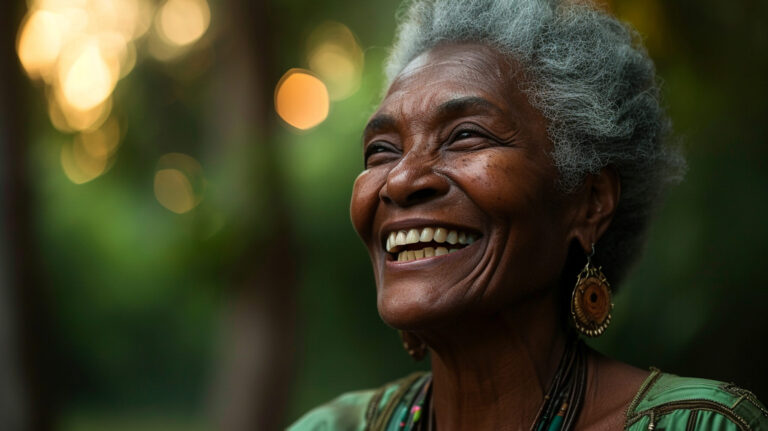
Ageing is a natural part of life, but healthy ageing is influenced by many factors, including physical activity, nutrition, social relationships, mental wellbeing and access to appropriate healthcare.
Growing older does not necessarily mean giving up the activities that bring enjoyment and purpose. Although some physical and lifestyle changes are unavoidable, maintaining healthy habits can help people remain active, independent and socially connected as they age.
Healthy ageing is therefore less about trying to look younger and more about supporting physical, emotional and social wellbeing throughout later life.
What Does Healthy Ageing Mean?
Healthy ageing involves maintaining the best possible physical and mental wellbeing while adapting to the changes that naturally occur with age.
It can include staying physically active, eating nutritious foods, maintaining relationships, continuing to learn, managing stress and receiving appropriate preventive healthcare.
There is no single formula for ageing well. What works for one person may not work for another, particularly when existing health conditions or mobility limitations are involved.
Here are some habits that can support healthier ageing.
1. Stay Physically Active
Regular physical activity can help older adults maintain muscle strength, balance and mobility.
Activities do not have to be intense. Depending on a person’s abilities and health, walking, swimming, dancing, gardening, stretching and other forms of movement can become part of a regular routine.
For people who have been inactive for a long time or have health concerns, it is sensible to discuss suitable activities with a healthcare professional before beginning a new exercise programme.
2. Eat a Balanced Diet
Good nutrition becomes increasingly important as people grow older.
A balanced diet can include vegetables, fruits, whole grains, beans and other sources of fibre, as well as appropriate sources of protein and healthy fats.
Older adults should also pay attention to adequate fluid intake, as the risk of dehydration can increase with age.
Rather than following restrictive diets, the focus should generally be on varied, nutritious foods that meet individual nutritional needs.
3. Look After Your Mental Wellbeing
Mental and emotional wellbeing are important at every stage of life.
Retirement, bereavement, changes in family relationships, loneliness and other major life changes can sometimes affect how older adults feel.
Maintaining hobbies, spending time with people who provide support, getting enough sleep and finding healthy ways to manage stress can contribute to emotional wellbeing.
Anyone experiencing persistent sadness, anxiety, loss of interest in daily activities or other concerning changes should consider speaking with a qualified healthcare professional.
4. Keep Your Mind Engaged
Learning does not have to stop with age.
Reading, learning new skills, taking up hobbies, playing certain games and participating in educational or creative activities can provide mental stimulation and a sense of achievement.
The important thing is to remain curious and engaged rather than feeling pressured to perform a particular type of mental exercise.
5. Maintain Social Connections
Strong relationships can contribute significantly to quality of life.
Regular contact with family members, friends, neighbours and community groups can provide companionship and emotional support.
Volunteering, attending community activities, joining clubs or simply maintaining regular contact with loved ones can help people remain socially connected.
For older adults who live alone, making a deliberate effort to maintain social contact can be particularly valuable.
6. Keep Up With Healthcare
Preventive healthcare becomes
particularly important as people get older.
Routine medical appointments can provide opportunities to discuss changes in health, medications and other concerns with a healthcare professional.
Depending on age, sex, medical history and individual circumstances, healthcare may include appropriate screenings, vaccinations, dental care, eye examinations and hearing checks.
People should follow the healthcare advice that applies to their individual circumstances rather than assuming that every screening or test is necessary for everyone.
7. Have a Sense of Purpose
Having meaningful activities and goals can make everyday life more fulfilling.
Purpose can come from many sources, including employment, volunteering, caring for family members, creative activities, learning, community involvement or personal interests.
There is no particular age at which people should stop setting goals. Continuing to pursue meaningful activities can provide structure and enjoyment.
8. Accept the Changes That Come With Age
Ageing naturally brings changes to the body, appearance, energy levels and abilities.
Healthy ageing does not mean preventing every change associated with getting older. Instead, it involves adapting to those changes while continuing to participate in activities that provide meaning and enjoyment.
Maintaining healthy habits, seeking help when necessary and staying connected with others can make it easier to navigate different stages of life.
Final Thoughts
Ageing well is not about following a perfect routine or avoiding every health problem. It is about making sustainable choices that support physical health, mental wellbeing, independence and meaningful relationships.
Staying active, eating a balanced diet, maintaining social connections, looking after mental wellbeing and keeping up with appropriate healthcare can all contribute to a healthier and more fulfilling later life.
Most importantly, healthy ageing looks different for everyone. People with medical conditions or significant changes in their health should seek personalised advice from qualified healthcare professionals.
-

 BREAKING NEWS2 months ago
JUST-IN: 28-Year-Old Nigerian Man Deported From Ireland After Conviction for T£rror Offences and Mass M¥rder Threats in UK
-

 BREAKING NEWS3 months ago
Oyo Police Bust Alleged Railway Vandalism Syndicate, Recover Stolen Rail Tracks Worth ₦200 Million
-

 BREAKING NEWS2 months ago
How Woman Arrested for Br¥talising 13-Year-Old Domestic Worker in Imo state
-

 BREAKING NEWS2 months ago
Ondo Education Ministry Fixes Cut-Off Marks for Public Secondary School Admission For 2026/2027 Academic Session
-

 BREAKING NEWS3 months ago
EXCLUSIVE: NG Exceeds 2024 Borrowing Target by ₦4.79tn as Debt Hits ₦12.62tn
-

 BREAKING NEWS2 months ago
Tinubu’s Reforms Push Nasarawa Allocation From ₦4.5bn to ₦16bn — Sule
-

 BREAKING NEWS3 months ago
Gauteng Police and Brand Protectors Seize Suspected Counterfeit Goods Worth R371,700 After Inspecting 13 Shops During Marabastad Crackdown
-

 Health2 months ago
Health Benefits of Kola Nut and What to Know Before Consuming It