
Health
How to Manage Sunburn and Help Your Skin Recover

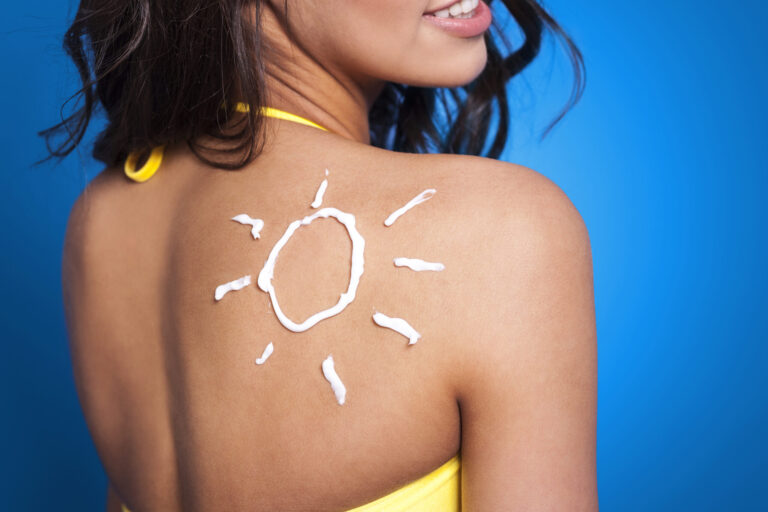
Sunburn can happen even when the weather feels cool or the sky is cloudy.
Ultraviolet (UV) radiation can still reach the skin, making sun protection important throughout the year. If you develop sunburn, taking prompt steps to cool and protect the affected skin can help ease discomfort while it heals.
Sunburn is a type of skin damage caused by excessive exposure to UV radiation.
It can leave the skin red, painful, warm and tender, and more severe burns may cause blisters.
Most mild sunburns can be managed at home, but severe symptoms require medical attention.
1. Get Out of the Sun
The first step is to stop further exposure to sunlight.
Move indoors or find a shaded area as soon as you notice that your skin is becoming red, painful or unusually warm.
Continuing to expose already damaged skin to UV radiation can worsen the burn.
2. Cool the Skin
A cool shower or bath can help reduce the heat and discomfort associated with sunburn.
You can also place a clean, cool, damp cloth over the affected area for several minutes at a time.
Avoid putting ice directly on sunburned skin because extreme cold can further damage irritated skin.
3. Keep the Skin Moisturised
Once the skin has been cooled, applying a gentle moisturiser can help reduce dryness and discomfort.
Products containing aloe vera or soy may provide a soothing effect for some people. Choose products that are gentle and avoid applying products that contain ingredients likely to irritate already damaged skin.
If the skin is blistered, avoid breaking the blisters.
4. Drink Enough Fluids
Sunburn can contribute to fluid loss, particularly when a large area of skin is affected.
Drinking water and other suitable fluids can help maintain hydration while your body recovers.
If you are experiencing significant dehydration symptoms, seek medical advice.
5. Do Not Pick or Peel the Skin
Sunburned skin may begin peeling several days after the injury.
Although peeling skin can be tempting to pull away, it is better to allow the skin to shed naturally.
Picking at the affected area can cause additional irritation and may increase the risk of infection.
6. Wear Comfortable Clothing
Loose, soft clothing can reduce friction against sensitive skin.
Avoid tight garments that rub against the affected area, particularly when the skin is painful or peeling.
7. Consider Appropriate Pain Relief
Mild sunburn can be uncomfortable or painful.
Some people may use an over-the-counter pain reliever, such as ibuprofen or paracetamol, depending on their individual circumstances.
Always follow the instructions on the medicine’s packaging and check with a pharmacist or healthcare professional if you are unsure whether a particular medicine is suitable for you.
8. Protect the Skin While It Heals
Freshly sunburned skin is particularly vulnerable to additional UV exposure.
Try to keep the affected area covered with loose clothing and stay in the shade until the skin has recovered.
Once the skin has healed, continue protecting yourself from excessive UV exposure by using suitable sunscreen, wearing protective clothing and seeking shade when the sun is strongest.
How Long Does Sunburn Take to Heal?
Mild sunburn generally improves over several days, although the skin may continue peeling for a little longer.
The severity of the burn, the amount of UV exposure and the affected area can all influence how quickly the skin recovers.
Avoid deliberately exposing the burned skin to more sunlight in an attempt to “even out” the tan, as this can cause further skin damage.
When Should You See a Doctor?
Most mild sunburn can be managed at home, but serious burns may require medical attention.
Seek prompt medical care if sunburn is accompanied by symptoms such as:
- Large or extensive blisters
- Severe swelling
- High fever or chills
- Severe headache or dizziness
- Confusion or fainting
- Persistent vomiting
- Signs of dehydration
- Increasing pain, redness or swelling
- Pus or other signs of infection
Babies and young children with significant sunburn should also receive medical advice.
Final Thoughts
The best way to deal with sunburn is to prevent it in the first place. Avoid prolonged exposure to strong sunlight, seek shade, wear protective clothing and use an appropriate broad-spectrum sunscreen when outdoors.
If sunburn does occur, getting out of the sun, cooling the skin, maintaining hydration and protecting the affected area can help support recovery.
Severe or unusual symptoms should not be ignored and may require professional medical attention
-

 BREAKING NEWS2 months ago
JUST-IN: 28-Year-Old Nigerian Man Deported From Ireland After Conviction for T£rror Offences and Mass M¥rder Threats in UK
-

 BREAKING NEWS3 months ago
Oyo Police Bust Alleged Railway Vandalism Syndicate, Recover Stolen Rail Tracks Worth ₦200 Million
-

 BREAKING NEWS2 months ago
How Woman Arrested for Br¥talising 13-Year-Old Domestic Worker in Imo state
-

 BREAKING NEWS2 months ago
Ondo Education Ministry Fixes Cut-Off Marks for Public Secondary School Admission For 2026/2027 Academic Session
-

 BREAKING NEWS2 months ago
EXCLUSIVE: NG Exceeds 2024 Borrowing Target by ₦4.79tn as Debt Hits ₦12.62tn
-

 BREAKING NEWS2 months ago
Tinubu’s Reforms Push Nasarawa Allocation From ₦4.5bn to ₦16bn — Sule
-

 BREAKING NEWS3 months ago
Gauteng Police and Brand Protectors Seize Suspected Counterfeit Goods Worth R371,700 After Inspecting 13 Shops During Marabastad Crackdown
-

 Health2 months ago
Health Benefits of Kola Nut and What to Know Before Consuming It