
Breaking News
U.S. Officials Feared Israel Planned to Assassinate Iranian Negotiators

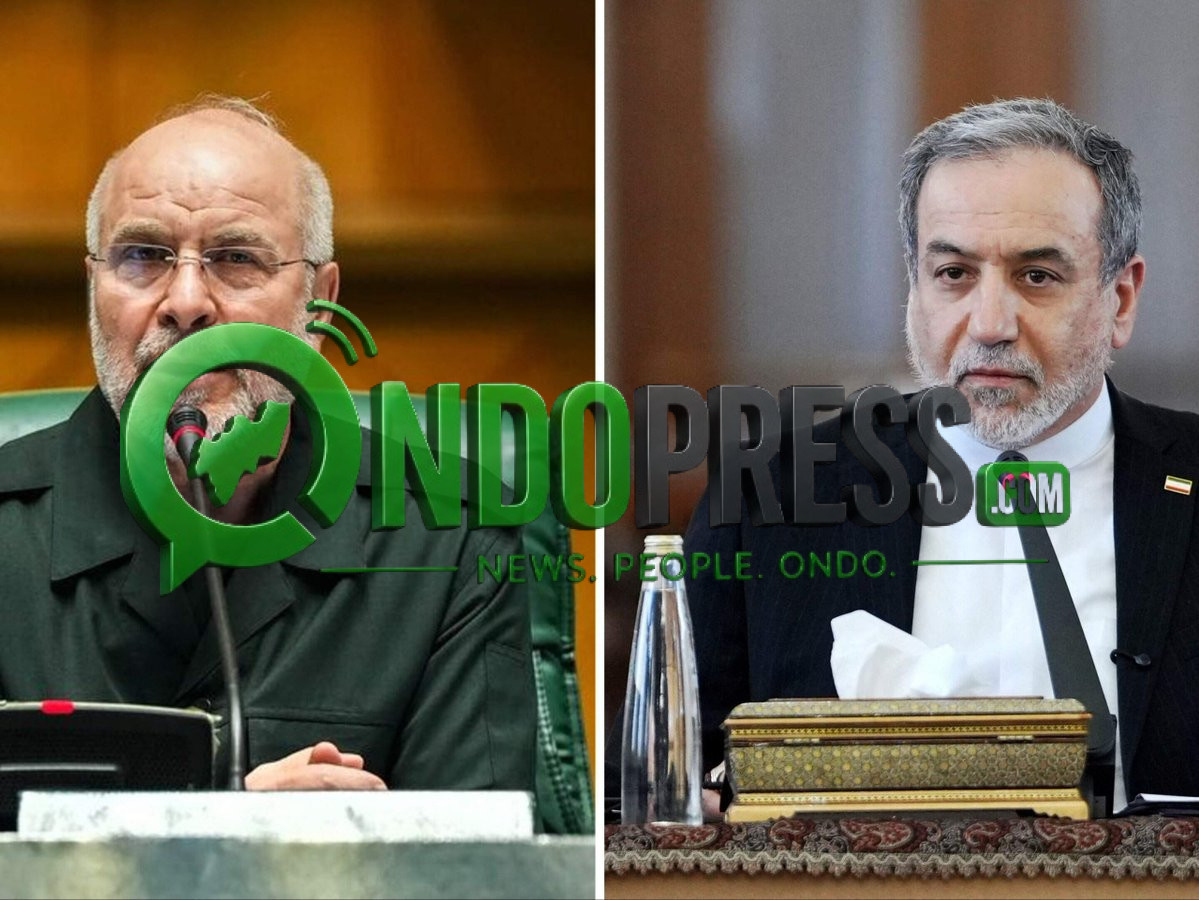
According to a bombshell report published by The New York Times, U.S. officials believed that Israel was plotting to assassinate Iran’s top negotiators during delicate ceasefire and peace talks with Washington earlier this year.
Current and former American officials told the Times that Israeli concerns centered on two senior Iranian figures: Foreign Minister Abbas Araghchi and Parliament Speaker Mohammad Bagher Ghalibaf.
Any strike against them, officials feared, would have immediately derailed ongoing negotiations aimed at securing an interim peace deal following earlier conflict in the region.
Killing senior Iranian leaders had reportedly formed part of Israel’s broader strategy during the height of hostilities. However, U.S. concerns intensified specifically during ceasefire negotiations that began in April, after an initial truce took hold on April 8.
Washington viewed the two Iranian officials as central to the diplomatic process and worried that an assassination attempt would collapse talks and reignite fighting.
In response to these fears, the United States took the unusual step of using regional intermediaries to indirectly warn Iran about the potential threats.
U.S. officials asked counterparts in other Middle Eastern countries to alert Tehran that Israel might target Araghchi and Ghalibaf, according to the report.
The New York Times noted that while Araghchi and Ghalibaf could have been considered legitimate targets by Israel during active combat as senior figures in Iran’s government, their roles shifted once high-level diplomacy commenced.
American officials believed any attack at that stage would sabotage efforts toward de-escalation and a broader arrangement between the U.S. and Iran.
The revelations come amid heightened tensions and ongoing questions about the dynamics between the U.S., Israel, and Iran following the spring conflict. Neither Israeli nor Iranian officials have publicly commented on the specific allegations in the Times report as of this writing.
This development underscores the fragile nature of the ceasefire and the complex web of alliances and suspicions that continue to shape Middle East diplomacy.
-

 Breaking News10 months ago
BREAKING NEWS: Labour Congress Call For Review Of Minimum Wage, Propose N150,000 Pay For Lagos Workers
-

 Breaking News10 months ago
ALLEGED BLASPHEMY: Angry Youths Kill Female Food Seller In Niger State
-

 Entertainment11 months ago
Burna Boy Used To Squat In My House – Cubana Chief Priest
-

 Entertainment11 months ago
Popular Nigerian Comedian, Josh2Funny And Wife, Bina, Welcome Third Son
-

 Entertainment11 months ago
BBNaija S10: I Was Prevented From Returning To Show Despite Being Medically Fit – Sabrina
-
 Entertainment11 months ago
[VIDEO] Ibom Air Incident: Comfort Emmanson Opens Up on Traumatic Experience
-

 Entertainment11 months ago
Media Personality Toke Makinwa Make Confession On Fearful Pregnancy Journey, Shares Fresh Maternity Shoot
-

 Breaking News10 months ago
BREAKING: CAC Extends New Fee Regime To October 1
-

 Breaking News10 months ago
BREAKING: 1 Israeli Soldier Dead, 9 Injured, 4 Missing
-

 Politics11 months ago
Soludo Mocks Obi, Declares ADC and LP “Dead” After Anambra By-elections
-

 Breaking News10 months ago
Bukuyum: Air Operations Force Bandits To Release 70 Kidnapped Victims In Zamfara
-

 Breaking News10 months ago
BREAKING: Hamas Captures Israeli Soldiers in Gaza