
Health
Eye Bags: What Causes Them and Ways to Reduce Their Appearance

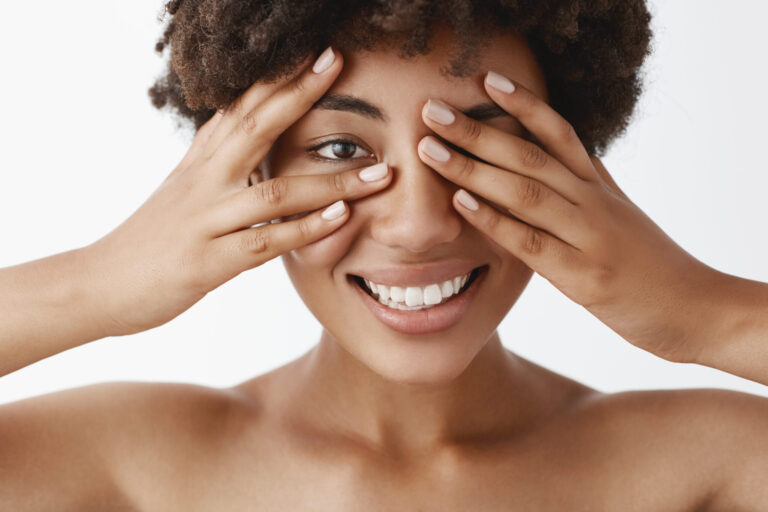
Eye bags are common and can become more noticeable with age, lack of sleep, allergies and other everyday factors. While they are usually harmless, understanding what causes under-eye puffiness can help you choose appropriate ways to reduce its appearance.
The skin around the eyes is thinner and more delicate than much of the skin on the rest of the body. As a result, changes in the tissues beneath and around the eyes can become particularly noticeable.
For some people, under-eye bags are mainly a cosmetic concern. In other cases, swelling may be related to allergies, fluid retention or another condition.
What Causes Eye Bags?
Several factors can contribute to puffy or swollen skin beneath the eyes.
Ageing
Ageing is one of the most common reasons eye bags become more noticeable.
As people grow older, the tissues supporting the eyelids can weaken and the skin can lose some of its elasticity. Changes in the tissues and fat around the eyes can make the lower eyelids appear fuller or more pronounced.
Lack of Sleep
Poor or insufficient sleep can make the area around the eyes appear tired and puffy.
Getting enough good-quality sleep may help reduce the appearance of temporary puffiness, although sleep alone cannot remove eye bags caused by ageing or genetics.
Fluid Retention
Fluid can sometimes accumulate around the eyes, particularly after waking up.
Eating very salty foods, hormonal changes and sleeping positions can contribute to temporary fluid retention in some people.
Genetics
Genetics can play a significant role in the appearance of under-eye bags.
People whose parents have prominent under-eye bags may be more likely to develop them themselves, sometimes at a relatively young age.
Allergies
Allergies can cause swelling, itching, redness and watery eyes.
Repeatedly rubbing or scratching the area can make irritation worse, which may make the under-eye area appear more swollen.
Sun Exposure
Long-term exposure to ultraviolet radiation can damage the skin and contribute to loss of elasticity and premature ageing.
Protecting the skin around the eyes from excessive sun exposure can therefore form part of a good skincare routine.
Smoking and Dehydration
Smoking can damage the skin and accelerate signs of ageing, while inadequate fluid intake may contribute to a tired or dry appearance.
Avoiding tobacco and maintaining adequate hydration can support overall skin health.
Ways to Reduce Under-Eye Puffiness at Home
Some simple measures may help reduce temporary puffiness.
Use a Cool Compress
Applying a clean, cool compress to the closed eyes for several minutes may temporarily reduce swelling.
Avoid placing ice directly on the skin because the delicate skin around the eyes can be easily irritated or injured by extreme cold.
Get Enough Sleep
Adults generally need around seven or more hours of sleep each night.
Maintaining a consistent sleep schedule may help reduce the tired, puffy appearance that can accompany insufficient sleep.
Elevate Your Head While Sleeping
If morning puffiness is a recurring problem, slightly elevating the head during sleep may help limit fluid accumulation around the eyes.
Watch Your Salt Intake
A diet high in sodium can contribute to fluid retention in some people.
Reducing excessive consumption of highly salted foods may help minimise temporary puffiness.
Stay Adequately Hydrated
Drinking enough fluids is important for general health. Adequate hydration also supports normal body functions and may help prevent the dry, tired appearance associated with dehydration.
Skincare Ingredients That May Help
Some cosmetic ingredients may improve the appearance of the skin around the eyes, although results vary from person to person.
Caffeine: Eye products containing caffeine may temporarily reduce the appearance of puffiness by constricting blood vessels.
Vitamin C: Vitamin C is commonly used in skincare because of its antioxidant properties and potential benefits for uneven skin tone and collagen support.
Retinoids: Retinol and related ingredients may help improve the appearance of fine lines and skin texture over time. However, the skin around the eyes is sensitive, so these products should be introduced carefully and according to product instructions.
Peptides: Peptides are included in some eye creams designed to support the appearance of firmer skin.
Hyaluronic acid: This ingredient helps attract and retain moisture in the skin, which can temporarily make fine lines appear less noticeable.
When applying skincare products around the eyes, use gentle movements and avoid getting products directly into the eyes.
When Should You See a Doctor?
Most eye bags are harmless and are mainly a cosmetic concern. However, persistent or unusual swelling should not always be assumed to be caused by ageing or lack of sleep.
Consider speaking with a healthcare professional if swelling:
– Appears suddenly
– Affects only one eye
– Is painful or significantly uncomfortable
– Is accompanied by redness or changes in vision
– Continues despite reasonable lifestyle changes
– Occurs alongside other unexplained symptoms
An underlying medical condition can sometimes cause swelling around the eyes, so persistent or unusual symptoms may require professional assessment.
Final Thoughts
Eye bags can develop for many reasons, including ageing, genetics, allergies, temporary fluid retention and lifestyle factors.
Simple measures such as adequate sleep, avoiding excessive salt, protecting the skin from the sun and using a cool compress may help reduce temporary puffiness. However, lifestyle changes cannot always eliminate eye bags, particularly when they are mainly caused by genetics or age-related changes.
If under-eye swelling is sudden, persistent, painful or associated with other symptoms, seeking medical advice is the safest approach.
-

 BREAKING NEWS2 months ago
JUST-IN: 28-Year-Old Nigerian Man Deported From Ireland After Conviction for T£rror Offences and Mass M¥rder Threats in UK
-

 BREAKING NEWS3 months ago
Oyo Police Bust Alleged Railway Vandalism Syndicate, Recover Stolen Rail Tracks Worth ₦200 Million
-

 BREAKING NEWS2 months ago
How Woman Arrested for Br¥talising 13-Year-Old Domestic Worker in Imo state
-

 BREAKING NEWS2 months ago
Ondo Education Ministry Fixes Cut-Off Marks for Public Secondary School Admission For 2026/2027 Academic Session
-

 BREAKING NEWS2 months ago
EXCLUSIVE: NG Exceeds 2024 Borrowing Target by ₦4.79tn as Debt Hits ₦12.62tn
-

 BREAKING NEWS2 months ago
Tinubu’s Reforms Push Nasarawa Allocation From ₦4.5bn to ₦16bn — Sule
-

 BREAKING NEWS3 months ago
Gauteng Police and Brand Protectors Seize Suspected Counterfeit Goods Worth R371,700 After Inspecting 13 Shops During Marabastad Crackdown
-

 Health2 months ago
Health Benefits of Kola Nut and What to Know Before Consuming It