
Health
Want to Live Longer? Reducing This Nutrient May Help, Researchers Say

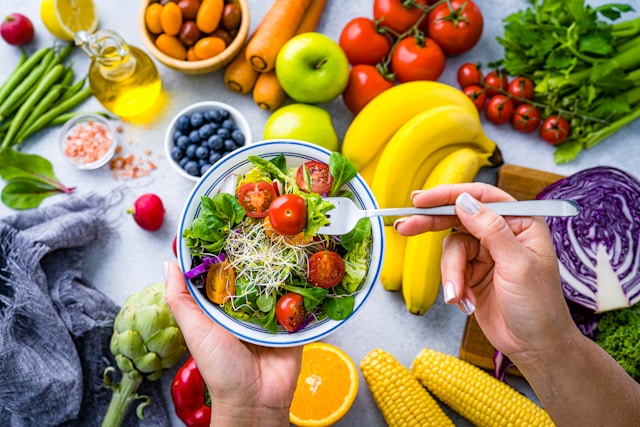
Scientists have long studied whether changing what we eat can help us stay healthier as we grow older.
A study from the University of Wisconsin School of Medicine and Public Health suggests that reducing one common part of dietary protein could have surprisingly large effects, at least in mice.
The research, led by Professor Dudley Lamming and colleagues, was published in the journal Cell Metabolism. The scientists studied isoleucine, an amino acid that the body uses to build proteins and perform many important jobs.
Isoleucine is called an essential amino acid because the human body cannot make it. We therefore have to get it from food, including meat, fish, eggs, dairy products, soy, beans, nuts, and other protein-rich foods.
That does not mean isoleucine is harmful. People need it for normal health, growth, tissue repair, and other body functions, but the researchers wanted to know whether the amount consumed could influence health during aging.
They fed middle-aged mice diets containing different amounts of isoleucine and followed their health over time. Some animals received a diet with substantially less isoleucine than normal, while other mice ate comparison diets.
The results were striking. Male mice eating less isoleucine lived about 33% longer than males on the comparison diet, while female mice lived about 7% longer.
Longer life was not the only difference. The mice eating less isoleucine also showed signs of healthier aging, including better control of blood sugar and a leaner body.
One particularly interesting result involved food intake. The mice on the reduced-isoleucine diet actually ate more calories, yet they gained less weight and stayed leaner.
This suggests that the change was not simply caused by eating less. Instead, reducing isoleucine appeared to change how the animals used energy and processed nutrients.
The researchers also found other health improvements. Male mice eating less isoleucine had less age-related enlargement of the prostate, and the animals showed lower rates of some tumors.
These findings fit into a growing area of research examining whether individual parts of protein can influence metabolism and aging. Protein is made from amino acids, and scientists increasingly suspect that the balance of these building blocks may matter as well as the total amount of protein eaten.
The team also examined information from people living in Wisconsin. They found an association between lower isoleucine intake and healthier body weight, although this type of human data cannot prove that eating less isoleucine directly caused people to be leaner.
The mouse findings also should not be treated as dietary instructions for people. Mice and humans have important biological differences, and isoleucine remains an essential nutrient that cannot safely be removed from the diet.
Researchers now need to determine whether a modest reduction could provide similar benefits in humans and, if so, what amount would be both useful and safe. Age, health, activity, and overall diet could all affect how much protein and individual amino acids a person needs.
Another possibility is that scientists could eventually develop treatments that copy some of the biological effects of reducing isoleucine. That might provide benefits without requiring people to follow a tightly controlled diet.
For now, the study offers an intriguing clue about the relationship between nutrition and aging. It suggests that healthy aging may depend not only on how many calories we eat, but also on the exact mix of nutrients inside those calories.
Much more human research is needed before doctors can recommend lowering isoleucine to extend life. Still, the findings give scientists a new path to explore as they search for practical ways to help people remain healthier for longer.
-

 BREAKING NEWS2 months ago
JUST-IN: 28-Year-Old Nigerian Man Deported From Ireland After Conviction for T£rror Offences and Mass M¥rder Threats in UK
-

 BREAKING NEWS3 months ago
Oyo Police Bust Alleged Railway Vandalism Syndicate, Recover Stolen Rail Tracks Worth ₦200 Million
-

 BREAKING NEWS2 months ago
How Woman Arrested for Br¥talising 13-Year-Old Domestic Worker in Imo state
-

 BREAKING NEWS2 months ago
Ondo Education Ministry Fixes Cut-Off Marks for Public Secondary School Admission For 2026/2027 Academic Session
-

 BREAKING NEWS3 months ago
EXCLUSIVE: NG Exceeds 2024 Borrowing Target by ₦4.79tn as Debt Hits ₦12.62tn
-

 BREAKING NEWS2 months ago
Tinubu’s Reforms Push Nasarawa Allocation From ₦4.5bn to ₦16bn — Sule
-

 BREAKING NEWS3 months ago
Gauteng Police and Brand Protectors Seize Suspected Counterfeit Goods Worth R371,700 After Inspecting 13 Shops During Marabastad Crackdown
-

 BREAKING NEWS3 weeks ago
“I Almost Wept”- Peter Fatomilola Reveals How Mr Macaroni Gave Him ₦1m After One Movie Scene