
Health
Ways to Lower High Blood Sugar Without Insulin

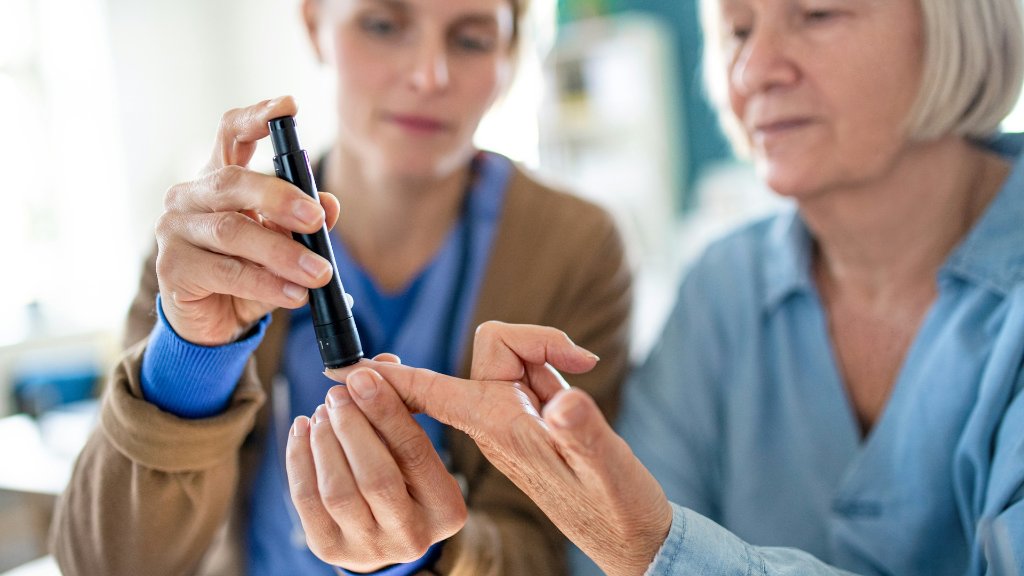
High blood sugar happens when too much glucose, the sugar the body uses for energy, stays in the bloodstream. It is especially common in type 2 diabetes, when the body struggles to use insulin effectively. Over time, poorly controlled blood sugar can harm the eyes, kidneys, nerves and heart.
Many people with type 2 diabetes can improve their blood sugar control through daily habits and medicines that are not insulin. However, insulin is essential for people with type 1 diabetes and for some people with type 2 diabetes. Lifestyle changes should never replace treatment that a clinician has prescribed.
One helpful habit is moving more often. Walking and other physical activities allow muscles to use sugar from the blood for energy. Regular activity also helps the body respond better to insulin over time.
Even a short walk after a meal may reduce the rise in blood sugar that follows eating. But exercise is not always safe when blood sugar is very high, especially if the person has ketones, which can signal a dangerous shortage of insulin. Anyone feeling ill or unsure should seek medical advice rather than trying to exercise the number down.
Drinking enough water also matters. High blood sugar can increase urination and lead to dehydration. Water helps replace lost fluid, although drinking extra water alone cannot treat dangerously high blood sugar.
Food choices have a major effect because carbohydrates are broken down into sugar during digestion. Sweet drinks, sweets and large servings of refined starches can cause blood sugar to rise quickly. Choosing water instead of sugary drinks is a simple change that may help.
Vegetables, beans, whole grains and other foods rich in fiber are often useful choices. Fiber slows digestion and can make blood sugar rise more gradually. Pairing carbohydrates with foods containing protein or healthy fats may also help people feel satisfied after meals.
Portion size matters as well. A large serving of rice, bread or pasta can raise blood sugar even if the food is part of an otherwise healthy diet. People often benefit from learning which meals affect their own readings most strongly.
Sleep and stress deserve attention too. Poor sleep can make it harder for the body to manage sugar, while stress hormones can push blood sugar upward. Regular sleep times and calming activities may support a broader diabetes care plan.
Cinnamon, vinegar and supplements are sometimes promoted as quick fixes. Evidence for these products is limited or mixed, and some may interact with medicines. They should not be treated as substitutes for proven care.
Blood sugar monitoring can help show whether changes are working. A healthcare professional can also check longer-term control with an A1C blood test and decide whether tablets or other medicines are needed.
Very high blood sugar with vomiting, confusion, deep breathing or marked weakness needs urgent medical care. The safest approach is a lasting plan that combines healthy habits, appropriate treatment and regular follow-up.
-

 Lifestyle6 hours ago
New Weight-Loss Injection Delivers 20% Weight Reduction
-

 BREAKING NEWS2 months ago
Ogun Residents Raise Questions Over Yayi’s Campaign Spending
-

 SPORTS1 month ago
Premier League Referees Admit “Error of Judgement” Over Haaland Goal Against Man United
-

 BREAKING NEWS4 months ago
JUST-IN: 28-Year-Old Nigerian Man Deported From Ireland After Conviction for T£rror Offences and Mass M¥rder Threats in UK
-

 BREAKING NEWS4 months ago
Oyo Police Bust Alleged Railway Vandalism Syndicate, Recover Stolen Rail Tracks Worth ₦200 Million
-

 BREAKING NEWS4 months ago
How Woman Arrested for Br¥talising 13-Year-Old Domestic Worker in Imo state
-

 SPORTS2 months ago
BREAKING: Jorge Jesus Speaks on Cristiano Ronaldo Situation Ahead of Dragão Clash
-

 BREAKING NEWS3 weeks ago
BREAKING: Adamawa Police Arrest Three Kidnap Suspects, Recover Two Ak-47 Rifles, ₦5.52million