
Lifestyle
Can Dissolving Threads Help Achieve Lasting Weight Loss?

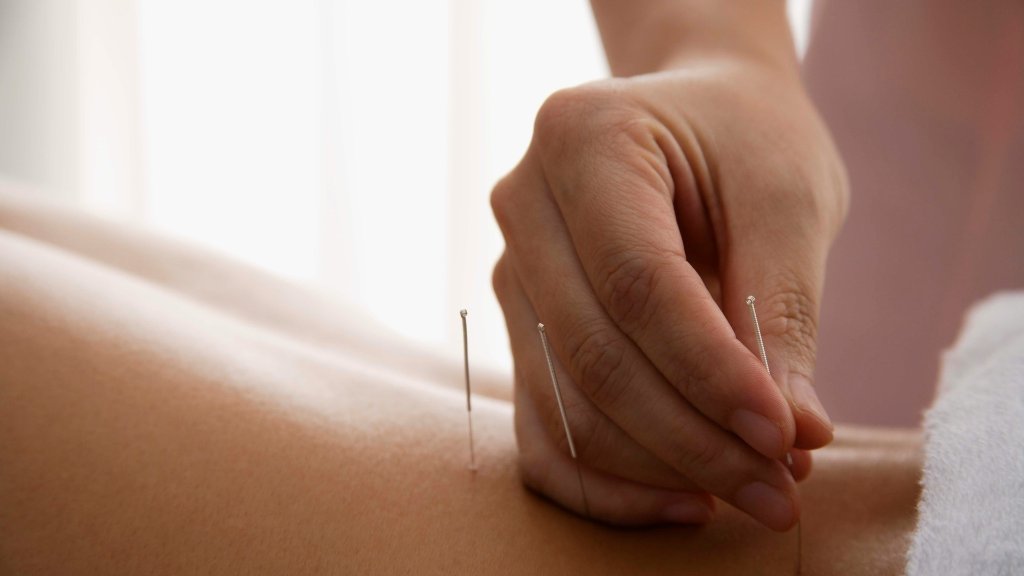
Could a few small threads placed beneath the skin make weight loss easier? A new study suggests the technique may offer a modest benefit for some women, although important questions remain about how well it works over time.
Keeping weight off can be harder than losing it in the first place. Hunger, daily routines and the body’s response to eating less can all make weight management challenging. This has encouraged interest in approaches that might work alongside established care.
One method comes from acupuncture, a practice in which thin needles are placed at specific points on the body. In a variation called thread embedding, practitioners leave short, absorbable threads under the skin. The threads dissolve over several weeks instead of being removed immediately.
To test the method, researchers in Shanghai studied 132 Chinese women between 18 and 45 years old. All were overweight or had obesity under the study’s criteria. The findings appeared in Annals of Internal Medicine.
Half the participants were assigned to six thread-embedding treatments over three months. The others had similar appointments and shallow needle placement, but no threads were inserted. The women were not told which procedure they received.
The researchers measured weight and other health markers before treatment, at the end of three months and again three months later. This extra follow-up helped them see whether differences remained after the appointments stopped.
By the end of treatment, the thread group had lost around 1.8 kilograms more than the comparison group. Six months after the study began, the average difference had increased to roughly 3 kilograms.
Women receiving threads also reported less appetite and had larger reductions in waist and hip measurements and body fat. Yet the two groups did not differ clearly in cholesterol, fasting blood sugar, anxiety or overall well-being.
The researchers reported mostly mild problems, such as discomfort or bruising where needles were used. However, a trial of this size cannot reliably identify uncommon side effects.
The study offers a useful early test, not a final answer. Practitioners knew which treatment they delivered, and the trial took place at one center with a narrow age group. The results may not apply to men, older adults or people with other health conditions.
It is also unclear whether the effect lasts beyond the 12 weeks after treatment or whether repeat sessions would be needed. Future trials should compare the approach with standard weight-management care and examine costs, safety and longer-term results.
-

 Lifestyle1 day ago
New Weight-Loss Injection Delivers 20% Weight Reduction
-

 Lifestyle13 hours ago
Weight-Loss Drug Access Drops as States End Medicaid Coverage
-

 Health12 hours ago
Greater Weight Loss on GLP-1 Drugs Linked to Better Health Outcomes
-

 Health1 day ago
New Sleep Apnea Treatment Improves Breathing for Patients, See More
-

 BREAKING NEWS2 months ago
Ogun Residents Raise Questions Over Yayi’s Campaign Spending
-

 SPORTS1 month ago
Premier League Referees Admit “Error of Judgement” Over Haaland Goal Against Man United
-

 BREAKING NEWS4 months ago
JUST-IN: 28-Year-Old Nigerian Man Deported From Ireland After Conviction for T£rror Offences and Mass M¥rder Threats in UK
-

 BREAKING NEWS4 months ago
Oyo Police Bust Alleged Railway Vandalism Syndicate, Recover Stolen Rail Tracks Worth ₦200 Million