
Health
How To Treat Ringworm, Fungal Infections

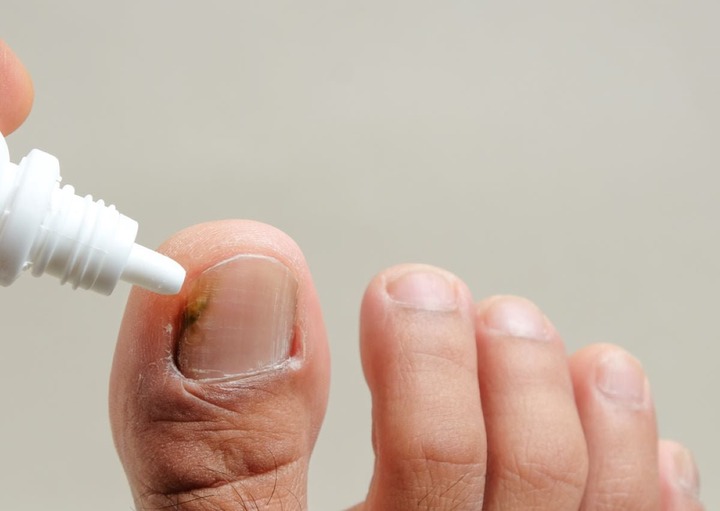
High humidity during Nigeria’s rainy season creates ideal conditions for fungal skin infections to spread rapidly.
Ringworm (dermatophytosis), athlete’s foot and similar infections thrive in warm, moist environments, especially when sweat, damp clothing and poor hygiene are involved.
Clinical studies in Nigeria show that dermatophyte infections are among the most common reasons people visit dermatology clinics, highlighting how widespread the problem is.
What is Ringworm Infection?
Ringworm is a contagious fungal infection caused by organisms such as Trichophyton and Microsporum.
These fungi live on keratin, the protein found in the outer layer of the skin, hair, and nails.
Once they attach to the skin, they begin to multiply, leading to visible symptoms.
The infection often starts as a small patch and gradually spreads outward, forming a ring-like shape with clearer skin in the centre and a raised, active edge. This is why it is commonly called ringworm.
It spreads through direct contact with infected skin, especially in crowded environments such as schools or shared homes, sharing contaminated items such as towels, clothing, bedding or hair tools, contact with infected animals or surfaces, including floors and furniture.
These fungi can also survive for long periods on fabrics and surfaces, which makes reinfection very common if hygiene is poor.
Treatment of Ringworm and Fungal Infection
What do I do to treat ringworm and fungal infections? This is the essence of this article and will be discussed here:
1. Use antifungal creams
Antifungal creams such as clotrimazole, terbinafine, miconazole and ketoconazole are the most effective first-line treatments for mild to moderate infections.
These medicines work by disrupting the structure of fungal cells, either stopping their growth or killing them completely.
However, they do not act instantly. The fungus dies gradually, which is why consistent application is important.
Apply the cream to the affected area and about 2 cm around it. This is important because fungi often spread beyond the visible edge of the rash.
Clotrimazole should be applied two to three times daily for at least four weeks. Even when the itching stops and the skin looks normal, treatment should continue for one to two additional weeks to ensure that all fungal cells are eliminated.
Failure to complete the full course allows surviving spores to multiply again, leading to recurrence.
2. Keep the skin completely dry
Moisture control is a critical part of treatment.Continue Your, Reading. .
-

 Breaking News10 months ago
BREAKING NEWS: Labour Congress Call For Review Of Minimum Wage, Propose N150,000 Pay For Lagos Workers
-

 Breaking News10 months ago
ALLEGED BLASPHEMY: Angry Youths Kill Female Food Seller In Niger State
-

 Entertainment10 months ago
Burna Boy Used To Squat In My House – Cubana Chief Priest
-

 Entertainment10 months ago
Popular Nigerian Comedian, Josh2Funny And Wife, Bina, Welcome Third Son
-

 Entertainment10 months ago
BBNaija S10: I Was Prevented From Returning To Show Despite Being Medically Fit – Sabrina
-
 Entertainment10 months ago
[VIDEO] Ibom Air Incident: Comfort Emmanson Opens Up on Traumatic Experience
-

 Entertainment10 months ago
Media Personality Toke Makinwa Make Confession On Fearful Pregnancy Journey, Shares Fresh Maternity Shoot
-

 Breaking News10 months ago
BREAKING: CAC Extends New Fee Regime To October 1
-

 Breaking News10 months ago
BREAKING: 1 Israeli Soldier Dead, 9 Injured, 4 Missing
-

 Politics10 months ago
Soludo Mocks Obi, Declares ADC and LP “Dead” After Anambra By-elections
-

 Breaking News10 months ago
Bukuyum: Air Operations Force Bandits To Release 70 Kidnapped Victims In Zamfara
-

 Breaking News10 months ago
BREAKING: Hamas Captures Israeli Soldiers in Gaza