
Health
New Sleep Apnea Treatment Improves Breathing for Patients, See More

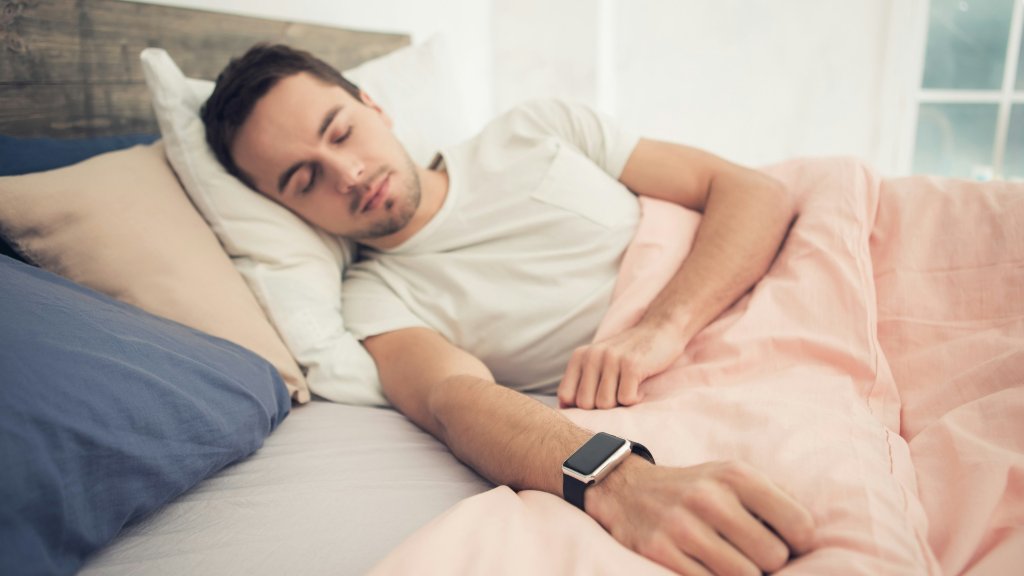
A new treatment that uses tiny electrical signals to open the throat may one day help people with moderate or severe sleep apnea. In a small early study, most participants breathed more easily while the treatment was being tested.
Obstructive sleep apnea happens when the throat repeatedly narrows or closes during sleep. Breathing can stop briefly, causing oxygen levels to fall and disturbing sleep throughout the night.
People with the condition may snore loudly, wake up gasping or feel exhausted during the day. Untreated sleep apnea is also associated with problems such as high blood pressure and a greater risk of heart disease.
A common treatment is a CPAP machine, which sends a steady flow of air through a mask to keep the throat open. It works well for many people, but some find the mask uncomfortable or struggle to use it every night.
Another option is to stimulate a nerve that controls tongue movement. When the tongue moves forward, it can help prevent the airway from collapsing.
Existing nerve-stimulation treatments generally require surgery to place a device inside the body. Researchers at Flinders University in Australia tested a less invasive way to deliver similar stimulation.
Their method places thin electrodes through the skin, using ultrasound pictures to guide their position. It does not require the usual surgical cuts or stitches.
The team studied 14 people with obstructive sleep apnea while they were sedated. Sedation allowed researchers to examine breathing and airway opening under controlled conditions, although it is not the same as a full night of natural sleep.
About 93% of participants showed improved airflow during testing. The procedure took roughly 90 minutes, suggesting that it could eventually be simpler than some existing implanted treatments.
The study, published in CHEST, offers an encouraging early result. However, it did not show that the method works safely and reliably over months or years at home.
Researchers still need to develop a practical long-term system and test it in larger groups. They also need to find out which patients are most likely to benefit and how the treatment compares with established options.
For now, people with sleep apnea should not stop prescribed treatment because of this finding. Anyone who struggles with CPAP can ask a sleep specialist about mask adjustments and other treatments already available.
-

 Lifestyle6 hours ago
New Weight-Loss Injection Delivers 20% Weight Reduction
-

 BREAKING NEWS2 months ago
Ogun Residents Raise Questions Over Yayi’s Campaign Spending
-

 SPORTS1 month ago
Premier League Referees Admit “Error of Judgement” Over Haaland Goal Against Man United
-

 BREAKING NEWS4 months ago
JUST-IN: 28-Year-Old Nigerian Man Deported From Ireland After Conviction for T£rror Offences and Mass M¥rder Threats in UK
-

 BREAKING NEWS4 months ago
Oyo Police Bust Alleged Railway Vandalism Syndicate, Recover Stolen Rail Tracks Worth ₦200 Million
-

 BREAKING NEWS4 months ago
How Woman Arrested for Br¥talising 13-Year-Old Domestic Worker in Imo state
-

 SPORTS2 months ago
BREAKING: Jorge Jesus Speaks on Cristiano Ronaldo Situation Ahead of Dragão Clash
-

 BREAKING NEWS3 weeks ago
BREAKING: Adamawa Police Arrest Three Kidnap Suspects, Recover Two Ak-47 Rifles, ₦5.52million