
Breaking News
BREAKING: Almost Every Major Central Bank On Earth Is Now A Prisoner Of The Strait Of Hormuz

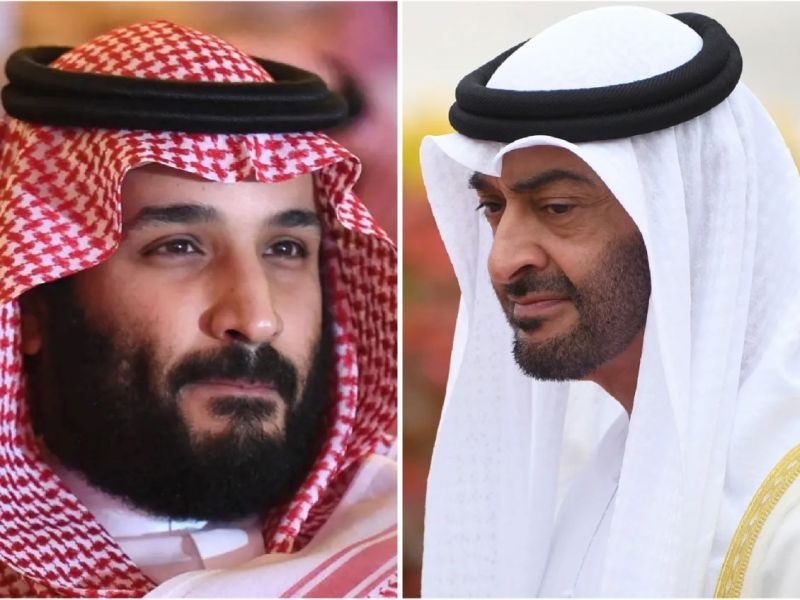
BREAKING: Almost Every Major Central Bank On Earth Is Now A Prisoner Of The Strait Of Hormuz. And The Gulf States That Sit On The Strait’s Western Shore Just Took Their First Steps Toward Joining The War.
The US Federal Reserve held rates at 3.5 to 3.75 percent and still projects one cut in 2026, but the oil shock has pushed market expectations to a 48 percent probability of zero cuts this year.
PCE inflation was revised upward to 2.7 percent specifically because of Hormuz energy prices. The Fed cannot ease into a war-driven energy shock without reigniting the inflation it spent three years fighting. The rate cut that was supposed to arrive this year may never come.
Goldman Sachs now expects the European Central Bank to HIKE rates twice, 25 basis points in April and 25 in June, bringing the deposit rate to 2.5 percent. This reverses their prior forecast of no hikes.
The reason is the same: Hormuz oil and the Qatar Force Majeure are driving European energy inflation above target. The ECB was supposed to be easing. Instead it is tightening.
Into a continent that just introduced fuel rationing in Slovenia and is being told to sign a $750 billion energy deal by Thursday or lose access to American LNG.
The Bank of Japan held rates but Takata dissented for the second meeting demanding a hike to 1 percent. The 10-year yield hit 2.278 percent, highest since 1999.
The 40-year is at 3.77 percent. Life insurers holding $5 trillion in foreign assets are repatriating, unwinding the carry trade that funds global leveraged positions.
Three central banks. Three continents. One strait. The Fed cannot cut. The ECB is hiking. The BOJ is tightening. All three trace back to the same 21 miles of mined water.
No interest rate can reopen a strait. No monetary policy framework was designed for a war that simultaneously spikes energy, collapses supply chains, and mines the chokepoint connecting all of them.
And now the Wall Street Journal reports that Saudi Arabia and the UAE have taken concrete steps toward joining the war against Iran.
Saudi Arabia has granted US forces access to King Fahd Air Base. The UAE has imposed restrictions on Iranian-linked entities. These are not neutral acts.
These are the first moves of Gulf states that were attacked by Iranian drones and missiles on Day 1 and have spent 24 days absorbing strikes on their refineries, ports, airports, and desalination plants while officially remaining non-combatants.
The Gulf states that opposed this war now believe Iran’s military must be degraded before any ceasefire. Some are considering joining the offensive.
If Saudi Arabia and the UAE enter the war, the energy market implications are beyond anything currently priced. Saudi production is already cut from 10 million to roughly 8 million barrels per day due to Yanbu disruptions and Hormuz closure.
If Saudi becomes a co-belligerent, Iran’s remaining 140 launchers gain a new target set: every Saudi refinery, every Emirati desalination plant, every Bahraini power station. The electricity ledger that Iran read on live television, “strike electricity and we strike electricity,” acquires new addresses. The Gulf states that produce the energy the world needs to survive this crisis become targets in the war that created the crisis.
Central banks cannot cut. Gulf states are joining the war. The EU is ratifying under duress. Japan’s bonds are cracking. Slovenia and Sri Lanka are rationing. The planting window is closing. And Saturday is coming.
The molecules do not attend central bank meetings. The molecules See the full, details. .
-

 Breaking News10 months ago
BREAKING NEWS: Labour Congress Call For Review Of Minimum Wage, Propose N150,000 Pay For Lagos Workers
-

 Breaking News10 months ago
ALLEGED BLASPHEMY: Angry Youths Kill Female Food Seller In Niger State
-

 Entertainment10 months ago
Burna Boy Used To Squat In My House – Cubana Chief Priest
-

 Entertainment10 months ago
Popular Nigerian Comedian, Josh2Funny And Wife, Bina, Welcome Third Son
-

 Entertainment10 months ago
BBNaija S10: I Was Prevented From Returning To Show Despite Being Medically Fit – Sabrina
-
 Entertainment10 months ago
[VIDEO] Ibom Air Incident: Comfort Emmanson Opens Up on Traumatic Experience
-

 Entertainment10 months ago
Media Personality Toke Makinwa Make Confession On Fearful Pregnancy Journey, Shares Fresh Maternity Shoot
-

 Breaking News10 months ago
BREAKING: CAC Extends New Fee Regime To October 1
-
 Breaking News10 months ago
BREAKING: 1 Israeli Soldier Dead, 9 Injured, 4 Missing
-

 Politics10 months ago
Soludo Mocks Obi, Declares ADC and LP “Dead” After Anambra By-elections
-
 Breaking News10 months ago
Bukuyum: Air Operations Force Bandits To Release 70 Kidnapped Victims In Zamfara
-
 Breaking News10 months ago
BREAKING: Hamas Captures Israeli Soldiers in Gaza