
Breaking News
Nigeria Tops Africa in Food Waste with 38 Million Tonnes Lost Every Year — EU Raises Alarm

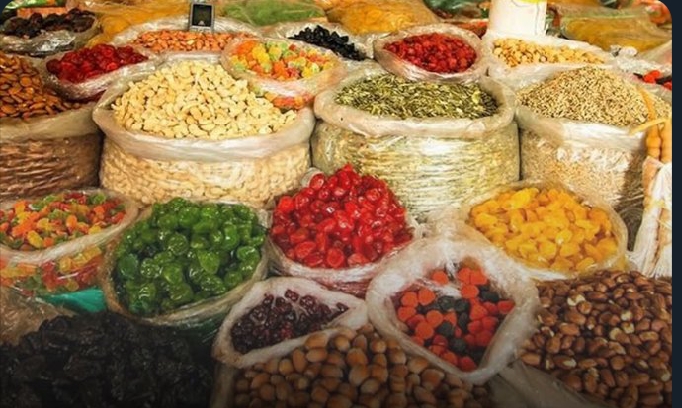
The European Union has raised serious concerns over Nigeria’s escalating food waste problem, revealing that the country loses an estimated 38 million tonnes of food annually, the highest in Africa.
Speaking in Abuja during International Zero Waste Day, EU Deputy Ambassador Zissimos Vergos described the situation as alarming, warning that it threatens food security, the economy, and the environment.
Vergos stressed that reducing food waste is crucial to sustainable development, noting that globally, nearly one billion tonnes of food was wasted in 2022 alone.
He warned that food waste contributes up to 10% of global greenhouse gas emissions and significantly drives methane pollution.
He, however, acknowledged Nigeria’s efforts, including its circular economy roadmap and waste management initiatives, describing them as important structural steps toward long-term solutions.
To tackle the crisis, the EU highlighted three key actions: improving rural infrastructure like roads and cold storage to reduce post-harvest losses, boosting food processing into value-added products, and embedding zero-waste education into school curriculums.
The EU, alongside the Nigerian government and United Nations Industrial Development Organization, called for urgent collective action, warning that wasted food also means wasted water, energy, and labour.
Nigeria’s Environment Minister, Balarabe Lawal, reaffirmed the government’s commitment to tackling the issue, revealing plans to reduce food waste in major markets nationwide.
He noted that cutting waste would help reduce pollution, conserve resources, and improve food security.
Also speaking, UNIDO’s Philbert Johnson emphasised that food is critical to economic stability and public well-being, warning that inefficient food systems can have far-reaching consequences.See more full, details. .
-

 Breaking News9 months ago
BREAKING NEWS: Labour Congress Call For Review Of Minimum Wage, Propose N150,000 Pay For Lagos Workers
-

 Breaking News9 months ago
ALLEGED BLASPHEMY: Angry Youths Kill Female Food Seller In Niger State
-

 Entertainment9 months ago
Burna Boy Used To Squat In My House – Cubana Chief Priest
-

 Entertainment9 months ago
Popular Nigerian Comedian, Josh2Funny And Wife, Bina, Welcome Third Son
-

 Entertainment9 months ago
BBNaija S10: I Was Prevented From Returning To Show Despite Being Medically Fit – Sabrina
-

 Entertainment9 months ago
Media Personality Toke Makinwa Make Confession On Fearful Pregnancy Journey, Shares Fresh Maternity Shoot
-
 Entertainment9 months ago
[VIDEO] Ibom Air Incident: Comfort Emmanson Opens Up on Traumatic Experience
-

 Breaking News9 months ago
BREAKING: CAC Extends New Fee Regime To October 1
-

 Breaking News9 months ago
BREAKING: 1 Israeli Soldier Dead, 9 Injured, 4 Missing
-

 Breaking News9 months ago
Bukuyum: Air Operations Force Bandits To Release 70 Kidnapped Victims In Zamfara
-

 Breaking News9 months ago
BREAKING: Hamas Captures Israeli Soldiers in Gaza
-

 Politics9 months ago
Soludo Mocks Obi, Declares ADC and LP “Dead” After Anambra By-elections