
Health
Brain Tumor Crisis: What Really Increases Your Risk of Brain Cancer?

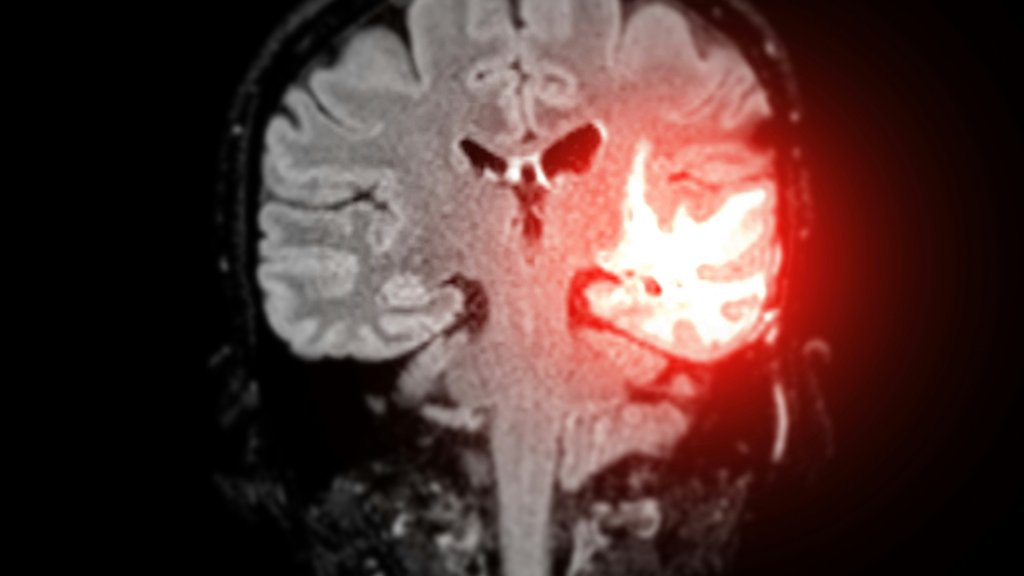
Brain cancer often develops without an obvious cause. Scientists have identified a few factors that can increase the risk of certain brain tumors, but many suspected causes remain unproven.
A brain tumor forms when cells in or near the brain grow out of control. Some tumors are not cancerous, while others can invade nearby tissue and become life-threatening.
One of the clearest known risk factors is exposure to high-energy radiation. This kind of radiation can damage the instructions inside cells, sometimes causing changes that lead to cancer years later.
People who received radiation treatment to the head, especially during childhood, may face a higher risk of developing a brain tumor later in life. Doctors still use radiation when its expected benefits outweigh its risks.
Inherited conditions are another established factor, although they explain only a small share of cases. Rare disorders such as Li-Fraumeni syndrome and neurofibromatosis can make certain tumors more likely.
These conditions affect genes that normally help control cell growth or repair damage. Having one of these conditions does not mean a person will definitely develop brain cancer.
Age also matters. Different brain tumors are more common at different stages of life, and some types become more frequent as people grow older.
Researchers have investigated whether workplace chemicals, including pesticides and solvents, might contribute to brain tumors. Some studies report possible links, but the evidence is inconsistent and does not establish that these exposures cause brain cancer.
Infections are being studied as well. Certain viruses are linked to particular cancers elsewhere in the body, but that does not mean they are proven causes of the most common brain cancers.
Diet, exercise and other daily habits are important for overall health. However, there is not strong evidence that a particular food, supplement or exercise routine can reliably prevent brain cancer.
People sometimes worry that everyday headaches mean they have a brain tumor. Most headaches have other causes, but a new seizure, worsening headaches with other symptoms, or unexplained changes in speech, vision or movement should be assessed by a doctor.
It is also important to distinguish a cancer that begins in the brain from cancer that spreads there from another organ. These diseases can have different causes and treatments.
For most people diagnosed with a brain tumor, no single explanation can be found. Research into genes, cell changes and environmental exposures may eventually improve prevention and help doctors identify those at higher risk.
-

 Lifestyle6 hours ago
New Weight-Loss Injection Delivers 20% Weight Reduction
-

 BREAKING NEWS2 months ago
Ogun Residents Raise Questions Over Yayi’s Campaign Spending
-

 SPORTS1 month ago
Premier League Referees Admit “Error of Judgement” Over Haaland Goal Against Man United
-

 BREAKING NEWS4 months ago
JUST-IN: 28-Year-Old Nigerian Man Deported From Ireland After Conviction for T£rror Offences and Mass M¥rder Threats in UK
-

 BREAKING NEWS4 months ago
Oyo Police Bust Alleged Railway Vandalism Syndicate, Recover Stolen Rail Tracks Worth ₦200 Million
-

 BREAKING NEWS4 months ago
How Woman Arrested for Br¥talising 13-Year-Old Domestic Worker in Imo state
-

 SPORTS2 months ago
BREAKING: Jorge Jesus Speaks on Cristiano Ronaldo Situation Ahead of Dragão Clash
-

 BREAKING NEWS3 weeks ago
BREAKING: Adamawa Police Arrest Three Kidnap Suspects, Recover Two Ak-47 Rifles, ₦5.52million