
Lifestyle
Vitamin B1 Linked to Differences in Bowel Habits

Vitamin B1 may play a role in how often people have bowel movements, according to a large international genetics study. The finding could help researchers understand why digestion is faster for some people than for others.
Bowel movements depend on the muscles and nerves that move waste through the intestines. Diet, fluids, physical activity, medicines and health conditions can all affect this process.
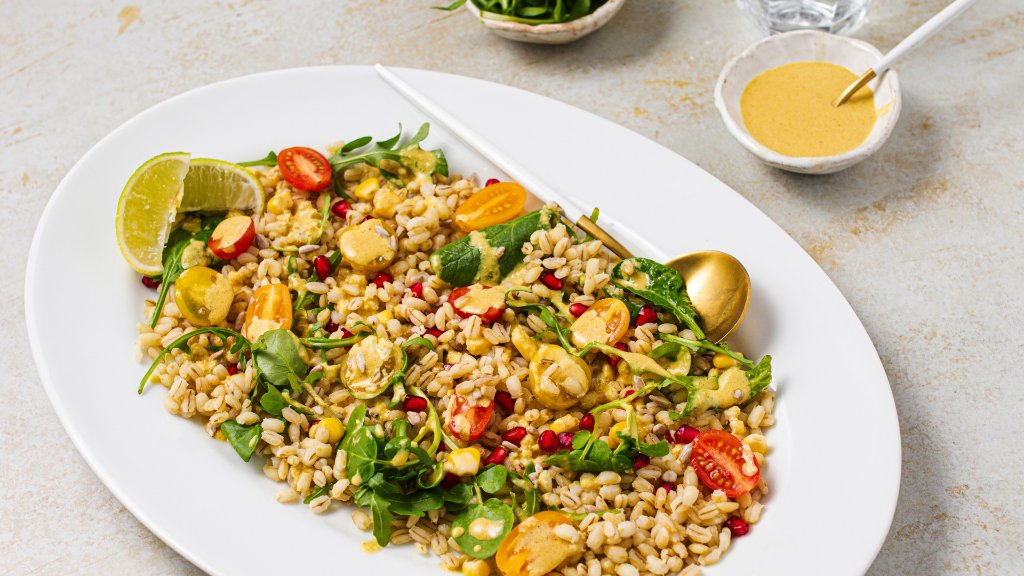
Vitamin B1, also called thiamine, helps the body turn food into energy and supports healthy nerves. It is found in foods such as whole grains, beans, pork and fortified cereals.
The study was described in Gut and focused on genetic patterns linked to bowel movement frequency.
The team examined genetic information and reported bowel habits from 268,606 people with European and East Asian backgrounds. They searched for inherited differences linked to how frequently participants passed stools.
They identified 21 areas of DNA associated with bowel movement frequency, including 10 that had not been reported before. Several were linked to known controls of digestion, including nerve signals and substances involved in breaking down fats.
Two genes attracted particular interest because they are involved in how the body handles vitamin B1. This suggested that the vitamin might influence bowel activity, perhaps differently from one person to another.
To investigate, researchers also looked at diet information from nearly 100,000 people in the UK Biobank. Higher vitamin B1 intake was linked to more frequent bowel movements mainly among people with certain versions of the two genes.
This does not prove that eating extra vitamin B1 will treat constipation. The results show an association, and other factors could help explain the pattern.
The researchers also found links between some of these genetic differences and irritable bowel syndrome. This common condition can cause belly pain, constipation, diarrhoea or a mixture of both.
The findings may guide future studies into how nutrients and inherited traits work together in the gut. Carefully designed trials would be needed to test whether changing vitamin B1 intake improves symptoms.
For now, the study is not a reason to take high-dose supplements. People with ongoing bowel changes, pain or blood in their stools should seek medical advice rather than trying to manage persistent symptoms with vitamins alone.
-

 Lifestyle6 hours ago
New Weight-Loss Injection Delivers 20% Weight Reduction
-

 BREAKING NEWS2 months ago
Ogun Residents Raise Questions Over Yayi’s Campaign Spending
-

 SPORTS1 month ago
Premier League Referees Admit “Error of Judgement” Over Haaland Goal Against Man United
-

 BREAKING NEWS4 months ago
JUST-IN: 28-Year-Old Nigerian Man Deported From Ireland After Conviction for T£rror Offences and Mass M¥rder Threats in UK
-

 BREAKING NEWS4 months ago
Oyo Police Bust Alleged Railway Vandalism Syndicate, Recover Stolen Rail Tracks Worth ₦200 Million
-

 BREAKING NEWS4 months ago
How Woman Arrested for Br¥talising 13-Year-Old Domestic Worker in Imo state
-

 SPORTS2 months ago
BREAKING: Jorge Jesus Speaks on Cristiano Ronaldo Situation Ahead of Dragão Clash
-

 BREAKING NEWS3 weeks ago
BREAKING: Adamawa Police Arrest Three Kidnap Suspects, Recover Two Ak-47 Rifles, ₦5.52million