
Health
Scientists Discover Hidden Cause of Heart Disease

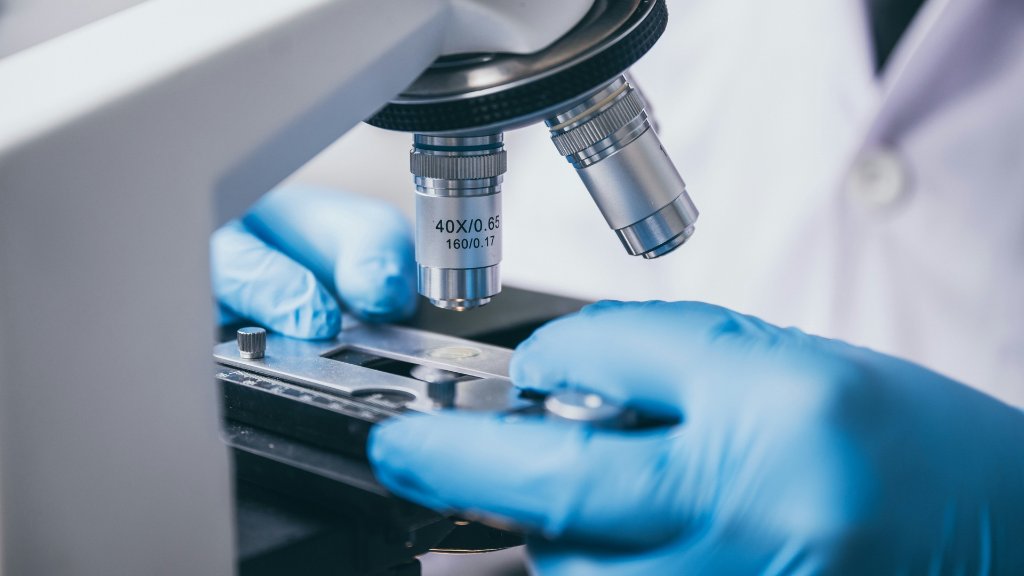
Scientists have identified changes inside artery cells that may help explain why heart disease develops even when familiar risks such as cholesterol are being treated. The discovery could eventually point to new ways of protecting blood vessels, although it is not yet a treatment.
The research, involving scientists at University of Virginia Health, focuses on coronary artery disease. This condition occurs when fatty material and other substances collect in the arteries that supply the heart with blood.
These deposits, called plaques, can gradually narrow the arteries and limit oxygen reaching the heart muscle. If a plaque breaks open, a blood clot can form and trigger a heart attack.
Cholesterol and high blood pressure are major contributors, but they do not tell the whole story. Researchers are also investigating what happens to the cells that form the walls of blood vessels.
One important group is known as smooth muscle cells. Normally, these cells help arteries maintain their shape and can form a protective covering over plaques, making the deposits less likely to rupture.
However, some smooth muscle cells can change their behaviour during disease. Instead of helping protect the artery, they may begin to support inflammation or plaque growth.
To investigate why, researchers studied smooth muscle cells obtained from donated human hearts. They examined patterns of gene activity and the ways these cells process substances needed for energy and normal function.
The analysis pointed to pathways involving nitrogen and glycogen, the form in which the body stores sugar for later use. Changes in these processes may influence whether smooth muscle cells remain protective or shift toward a harmful state.
The team also highlighted mannose, a naturally occurring sugar involved in several cell functions. Its possible role gives scientists another clue to investigate, but the research does not show that eating more or less mannose will prevent heart disease.
These findings matter because existing medicines cannot eliminate every heart attack. Understanding the signals that change artery cells could eventually help researchers design treatments that keep plaques more stable.
There are important limits. The work explores biological mechanisms rather than proving that a new medicine works in patients, and further experiments and clinical studies will be necessary.
For now, established prevention remains essential. Not smoking, staying active, managing blood pressure and cholesterol, and receiving appropriate medical care are proven ways to lower cardiovascular risk.
-

 Lifestyle6 hours ago
New Weight-Loss Injection Delivers 20% Weight Reduction
-

 BREAKING NEWS2 months ago
Ogun Residents Raise Questions Over Yayi’s Campaign Spending
-

 SPORTS1 month ago
Premier League Referees Admit “Error of Judgement” Over Haaland Goal Against Man United
-

 BREAKING NEWS4 months ago
JUST-IN: 28-Year-Old Nigerian Man Deported From Ireland After Conviction for T£rror Offences and Mass M¥rder Threats in UK
-

 BREAKING NEWS4 months ago
Oyo Police Bust Alleged Railway Vandalism Syndicate, Recover Stolen Rail Tracks Worth ₦200 Million
-

 BREAKING NEWS4 months ago
How Woman Arrested for Br¥talising 13-Year-Old Domestic Worker in Imo state
-

 SPORTS2 months ago
BREAKING: Jorge Jesus Speaks on Cristiano Ronaldo Situation Ahead of Dragão Clash
-

 BREAKING NEWS3 weeks ago
BREAKING: Adamawa Police Arrest Three Kidnap Suspects, Recover Two Ak-47 Rifles, ₦5.52million