
Health
7 Iron-Rich Foods to Add to Your Diet

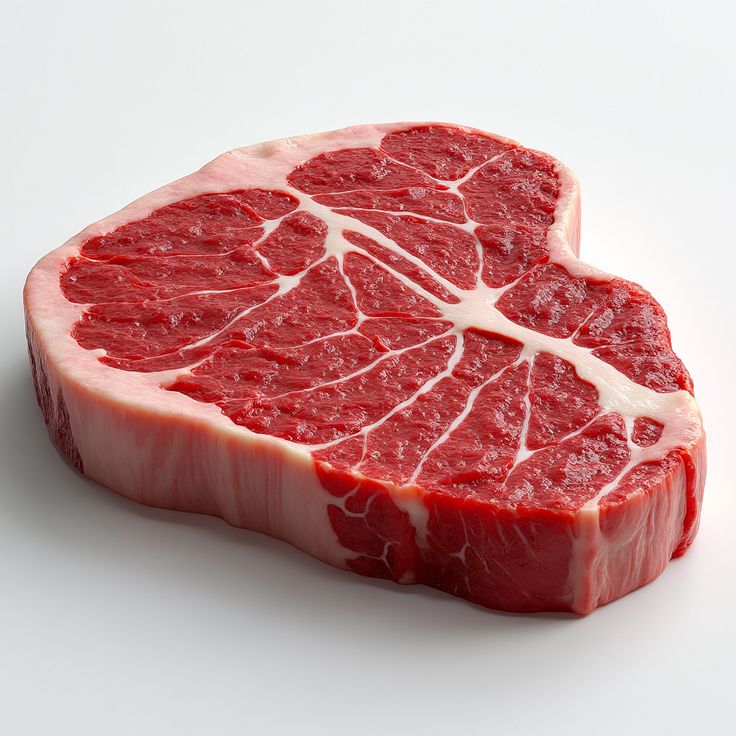
Iron is an essential mineral that helps the body produce haemoglobin, a protein in red blood cells responsible for carrying oxygen around the body. Getting enough iron through a balanced diet can support normal energy levels and overall health.
When the body does not get enough iron over time, iron deficiency can develop and may eventually lead to iron-deficiency anaemia. Symptoms can include tiredness, weakness and difficulty concentrating.
Here are some nutritious foods that can contribute to your daily iron intake.
1. Red Meat
Beef and lamb are good sources of haem iron, a form of iron that the body generally absorbs more easily than the iron found in plant foods.
Including lean cuts of meat as part of a balanced diet can contribute significantly to iron intake.
Liver is also particularly rich in iron, but it should not be consumed excessively because it contains very high levels of vitamin A.
2. Poultry
Chicken and turkey provide iron as well as protein and other important nutrients.
Although they generally contain less iron than some red meats, poultry can still be a useful part of a varied diet.
3. Seafood and Fish
Some seafood is particularly rich in iron.
Shellfish such as oysters and clams can provide substantial amounts, while fish such as sardines can also contribute to iron intake.
Seafood additionally provides other nutrients that support overall health.
4. Leafy Green Vegetables
Vegetables such as spinach, kale and other dark leafy greens contain non-haem iron.
The body does not absorb plant-based iron as efficiently as haem iron, but eating these foods alongside sources of vitamin C can improve iron absorption.
Try combining leafy vegetables with foods such as oranges, tomatoes, peppers or other vitamin C-rich produce.
5. Beans and Other Legumes
Beans, lentils, chickpeas and other legumes are valuable plant-based sources of iron.
They also provide fibre and protein, making them useful additions to meals.
For people who eat little or no meat, regularly including legumes can help increase dietary iron intake.
6. Nuts and Seeds
Some nuts and seeds contain useful amounts of iron.
Pumpkin seeds, cashews and sesame seeds, for example, can be added to meals, cereals, salads or snacks.
They also provide healthy fats, protein and other minerals.
7. Iron-Fortified Foods
Some breakfast cereals, breads and other foods have iron added during manufacturing.
Checking the nutrition label can help you identify products that provide significant amounts of iron.
Fortified foods can be particularly useful for people who have difficulty getting enough iron from their usual diet.
How to Help Your Body Absorb More Iron
What you eat alongside an iron-rich food can affect how much iron your body absorbs.
Vitamin C can improve the absorption of non-haem iron. Try pairing beans, lentils or leafy vegetables with tomatoes, oranges, peppers or other vitamin C-rich foods.
Tea and coffee contain compounds that can reduce the absorption of iron when consumed around meals. If you are trying to increase your iron intake, particularly if you have been diagnosed with iron deficiency, consider discussing the timing of these drinks with a healthcare professional.
When to Seek Medical Advice
Feeling tired does not automatically mean you have an iron deficiency.
If you experience persistent fatigue, weakness, dizziness, shortness of breath or other concerning symptoms, speak with a healthcare professional. A blood test may be needed to determine whether you have anaemia or an iron deficiency.
Iron supplements should not be taken routinely without appropriate medical advice, because excessive iron can also be harmful.
Final Thoughts
A varied diet containing meat, seafood, legumes, leafy vegetables, nuts, seeds and fortified foods can provide valuable sources of iron.
Combining plant-based iron sources with vitamin C-rich foods can also help improve absorption.
If you suspect that you are deficient in iron, getting professional advice is important rather than relying on food or supplements alone.
-

 BREAKING NEWS2 months ago
JUST-IN: 28-Year-Old Nigerian Man Deported From Ireland After Conviction for T£rror Offences and Mass M¥rder Threats in UK
-

 BREAKING NEWS3 months ago
Oyo Police Bust Alleged Railway Vandalism Syndicate, Recover Stolen Rail Tracks Worth ₦200 Million
-

 BREAKING NEWS2 months ago
How Woman Arrested for Br¥talising 13-Year-Old Domestic Worker in Imo state
-

 BREAKING NEWS2 months ago
Ondo Education Ministry Fixes Cut-Off Marks for Public Secondary School Admission For 2026/2027 Academic Session
-

 BREAKING NEWS2 months ago
EXCLUSIVE: NG Exceeds 2024 Borrowing Target by ₦4.79tn as Debt Hits ₦12.62tn
-

 BREAKING NEWS2 months ago
Tinubu’s Reforms Push Nasarawa Allocation From ₦4.5bn to ₦16bn — Sule
-

 BREAKING NEWS3 months ago
Gauteng Police and Brand Protectors Seize Suspected Counterfeit Goods Worth R371,700 After Inspecting 13 Shops During Marabastad Crackdown
-

 Health2 months ago
Health Benefits of Kola Nut and What to Know Before Consuming It