
Health
Health Benefits of Salt: Why the Body Needs Sodium in Moderation

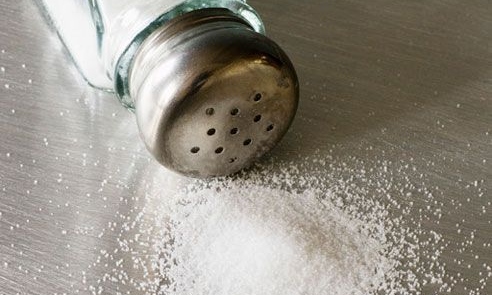
Salt is an important ingredient in many diets and has been used for centuries to add flavour and preserve food. Its main component, sodium, is an essential mineral that the body needs in small amounts to perform several important functions.
However, eating too much salt can increase sodium intake beyond healthy levels and contribute to high blood pressure. The goal is therefore not to consume as much salt as possible, but to maintain an appropriate balance.
1. Helps Maintain Fluid Balance
Sodium helps regulate the amount of fluid inside and outside the body’s cells.
This balance is important for normal circulation, hydration and the proper functioning of tissues and organs.
2. Supports Nerve Function
Sodium is involved in the transmission of nerve impulses throughout the body.
These electrical signals allow the brain and nervous system to communicate with muscles and other parts of the body.
3. Supports Muscle Function
Sodium works together with other electrolytes, including potassium, to support normal muscle contraction and nerve activity.
Maintaining a healthy electrolyte balance is particularly important during activities that cause significant sweating.
4. Helps Maintain Normal Blood Volume
Sodium contributes to the regulation of fluid levels in the bloodstream.
However, this does not mean that increasing salt intake is a healthy way to control blood pressure. Excessive sodium consumption can contribute to high blood pressure in many people.
5. Replaces Sodium Lost Through Sweat
People can lose sodium through heavy sweating, particularly during prolonged physical activity or exposure to very hot conditions.
For most people, ordinary meals and adequate fluid intake are sufficient to replace normal losses. People undertaking intense or prolonged exercise may have different requirements.
6. Adds Flavour to Food
One of salt’s most obvious benefits is its ability to enhance the taste of food.
Using small amounts can make nutritious foods such as vegetables, beans and whole grains more appealing. Herbs, spices, garlic, ginger and other seasonings can also add flavour while helping reduce reliance on salt.
7. Helps Preserve Certain Foods
Salt has traditionally been used to preserve foods by creating conditions that make it difficult for many microorganisms to grow.
Although refrigeration and other modern preservation methods are now widely available, salting remains part of several traditional food-preservation techniques.
How Much Salt Is Too Much?
The important point is moderation.
Most people already obtain sodium from their normal diet, particularly through processed and packaged foods. Eating large amounts of salty foods regularly can increase sodium intake and may contribute to high blood pressure.
Reducing highly processed foods and checking food labels can help people manage their salt consumption.
Final Thoughts
Salt is not something the body needs to completely avoid. Sodium plays important roles in fluid balance, nerve signalling and muscle function.
At the same time, more salt does not mean better health. Maintaining a balanced diet and limiting excessive sodium intake is a safer approach to supporting long-term health.
People with high blood pressure, kidney disease or other conditions affected by sodium should follow the advice of their healthcare professional.
-

 BREAKING NEWS2 days ago
Ondo Education Ministry Fixes Cut-Off Marks for Public Secondary School Admission For 2026/2027 Academic Session
-

 BREAKING NEWS1 month ago
Gauteng Police and Brand Protectors Seize Suspected Counterfeit Goods Worth R371,700 After Inspecting 13 Shops During Marabastad Crackdown
-

 BREAKING NEWS4 days ago
JUST-IN: NDLEA Arrests India-Bound Businessman with Cocaine, Recovers N3.6bn Drugs
-

 BREAKING NEWS1 month ago
Turkey Health Ministry Suspends Over 100 Doctors Involved in Caesarean Deliveries as Pres. Erdogan Insists on ‘Natural Birth’
-

 BREAKING NEWS3 weeks ago
EXCLUSIVE: NG Exceeds 2024 Borrowing Target by ₦4.79tn as Debt Hits ₦12.62tn
-

 POLITICS1 month ago
APC National Chairman Applause FG, Security Agencies Over Release Of Abducted Oriire Pupils And Teachers
-

 Health1 month ago
Exploring The Benefits Of Aromatheraphy
-

 Health1 month ago
Five (5) Everyday Eating Habits That Secretly Contribute To Weight Gain