
Health
Health Benefits of Cassava and How to Eat It Safely

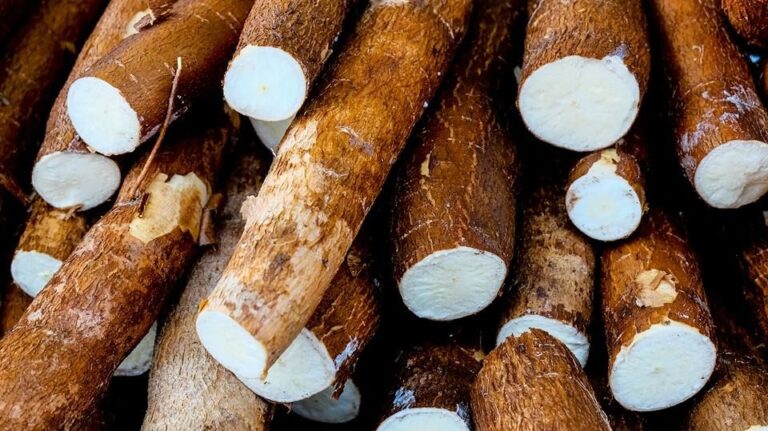
Cassava, also known as manioc or yuca, is a starchy root vegetable widely consumed across Africa, Asia and South America.
It is an important source of carbohydrates and is used in many traditional foods, including boiled cassava, garri, fufu and cassava flour.
Cassava can provide useful nutrients as part of a balanced diet, but proper preparation is essential because raw or inadequately processed cassava can contain naturally occurring compounds that can release cyanide.
1. Provides energy
Cassava is rich in carbohydrates, particularly starch, which provides energy for the body.
This makes it an important staple food in many communities. It can be combined with vegetables, beans, fish, meat or other protein-rich foods to create a more balanced meal.
2. Naturally gluten-free
Cassava itself does not naturally contain gluten. Cassava flour can therefore be useful in gluten-free cooking and baking.
However, people with coeliac disease or medically diagnosed gluten sensitivity should check product labels and preparation methods because commercially produced foods may contain other ingredients or become contaminated with gluten during processing.
3. Contains important nutrients
Cassava provides nutrients including vitamin C and some B vitamins, although the nutritional content can vary depending on the variety and preparation method.
Vitamin C contributes to normal immune function and helps the body absorb iron from plant-based foods.
4. Can contribute to dietary fibre intake
Cassava can provide dietary fibre, particularly when consumed in forms that retain more of the whole root.
Fibre contributes to normal digestion and can help support regular bowel movements when consumed alongside adequate fluids and other fibre-rich foods.
5. Provides minerals
Cassava contains minerals such as potassium and magnesium, which contribute to normal muscle and nerve function.
However, cassava should be part of a varied diet rather than relied upon as the main source of vitamins or minerals.
6. Can be part of a balanced diet
Cassava is filling and versatile, making it easy to include in different meals.
However, because it is mainly a carbohydrate-rich food, combining it with protein, vegetables and healthy fats can make a meal more nutritionally balanced.
Is cassava safe to eat?
Cassava must be properly prepared before eating.
Some varieties contain naturally occurring cyanogenic glycosides, which can release cyanide.
Eating raw cassava or cassava that has not been adequately processed can therefore be dangerous.
Depending on the variety and traditional preparation method, safety measures may include peeling, soaking, fermenting, drying and thoroughly cooking the cassava.
Cassava leaves also require proper processing and cooking before consumption.
If you are unsure whether a particular cassava product has been adequately processed, it is safer not to consume it.
How to enjoy cassava
Cassava can be prepared in several ways, including:
- Boiling
- Roasting
- Fermenting
- Processing into garri or other traditional foods, such as Pupuru ikale traditional dishes Among others
- Making cassava flour
- Preparing fufu and other traditional dishes
Avoid eating raw cassava or products prepared using unsafe processing methods.
Bottom line
Cassava is an important staple food that provides carbohydrates, some vitamins, minerals and dietary fibre.
It can form part of a healthy and varied diet when properly prepared.
Its most important consideration is food safety. Because improperly processed cassava can release cyanide, proper preparation and cooking should never be overlooked.
-

 BREAKING NEWS2 months ago
JUST-IN: 28-Year-Old Nigerian Man Deported From Ireland After Conviction for T£rror Offences and Mass M¥rder Threats in UK
-

 BREAKING NEWS3 months ago
Oyo Police Bust Alleged Railway Vandalism Syndicate, Recover Stolen Rail Tracks Worth ₦200 Million
-

 BREAKING NEWS2 months ago
How Woman Arrested for Br¥talising 13-Year-Old Domestic Worker in Imo state
-

 BREAKING NEWS2 months ago
Ondo Education Ministry Fixes Cut-Off Marks for Public Secondary School Admission For 2026/2027 Academic Session
-

 BREAKING NEWS2 months ago
EXCLUSIVE: NG Exceeds 2024 Borrowing Target by ₦4.79tn as Debt Hits ₦12.62tn
-

 BREAKING NEWS2 months ago
Tinubu’s Reforms Push Nasarawa Allocation From ₦4.5bn to ₦16bn — Sule
-

 BREAKING NEWS3 months ago
Gauteng Police and Brand Protectors Seize Suspected Counterfeit Goods Worth R371,700 After Inspecting 13 Shops During Marabastad Crackdown
-

 Health2 months ago
Health Benefits of Kola Nut and What to Know Before Consuming It